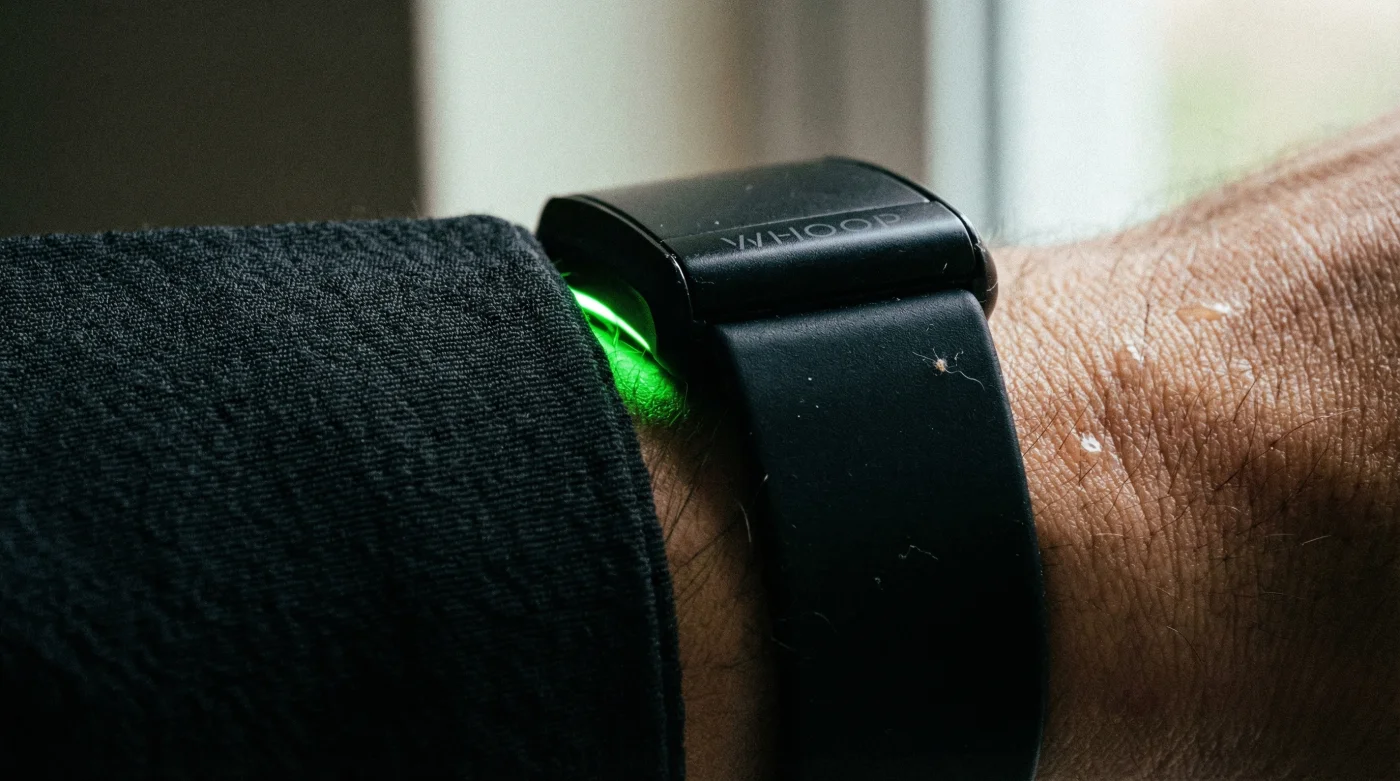
You invest hundreds of dollars into the ultimate physiological optimization tool, strapping it on with the expectation of achieving peak performance. In the pursuit of flawless health data, athletes and biohackers alike rely on advanced biometric feedback to dictate their recovery, sleep schedules, and daily strain. We trust these expensive, sleek gadgets implicitly, believing their sophisticated algorithms are impervious to physical limitations. Yet, a silent and frustrating anomaly is actively sabotaging the daily metrics of a very specific, rapidly growing demographic, entirely bypassing the rigorous quality control of premium tech brands.
Despite the aggressive marketing campaigns insisting that high-end wearable technology operates perfectly on all users, a glaring technological blindspot has been exposed by those who wear their art on their sleeves. Quite literally, users are discovering a hidden variable that completely neutralizes the device’s ability to read a pulse. Before you assume your tracker is defective or requires a hard reset, you must understand how a common aesthetic choice completely blocks the device’s green optical sensor light. Uncovering this physiological blackout requires a deep dive into the clash between ancient body art and modern laser mechanics.
Understanding Photoplethysmography and the Wearable Illusion
At the core of the Whoop Fitness Straps and similar premium health trackers is a technology known as photoplethysmography (PPG). This intricate process involves flashing a high-intensity green LED light directly into the microvascular bed of your dermal tissue. The underlying principle is elegantly simple yet scientifically complex: blood absorbs green light. Every time your heart beats, the capillary expansion in your wrist creates a surge in blood volume, which absorbs more light. Between beats, the volume drops, and less light is absorbed. The sophisticated photodiodes on the underside of your tracker measure these minute fluctuations in light reflection to calculate your resting heart rate, heart rate variability, and respiratory rate.
The Ideal Biometric Environment
For these optical sensors to function at their marketed accuracy, the path from the LED emitter to your capillaries and back to the photodiode must be exceptionally clear. Clinical studies demonstrate that optimal readings occur on skin with minimal obstructions, allowing the 520-nanometer wavelength of green light to penetrate the epidermis efficiently. When variables such as extreme ambient light, excessive moisture, or specific epidermal barriers are introduced, the error rate of the algorithm increases exponentially. To understand who is most impacted by these variables, we must examine the intersection of wearable technology and user demographics.
| User Profile | Wearable Benefit | Optical Sensor Efficacy |
|---|---|---|
| Untattooed Athlete | Flawless HRV tracking and strain metrics | Maximum light penetration; 99% accuracy in reflection |
| Light/Fine Line Tattoo Enthusiast | Consistent sleep and recovery tracking | Moderate to high efficacy; minor data dropping during high motion |
| Traditional Japanese Sleeve Collector | Advanced athletic optimization | Severe biometric blackout; complete absorption of optical light |
As we transition from the ideal laboratory conditions of wearable testing to the reality of human aesthetics, the physics of light absorption reveals a fatal flaw in relying solely on green LED technology.
The Heavy Ink Blockade: Traditional Japanese Sleeves vs. Green Light
The tradition of Irezumi, or Japanese tattooing, is globally revered for its striking contrasts, mythological motifs, and incredibly dense backgrounds. These masterworks utilize vast expanses of heavy black ink, often packed tightly to represent wind bars or water waves. While visually stunning, this dense packing of dark pigment creates an impenetrable barrier for the Whoop Fitness Straps. The carbon-based black ink resides in the dermis layer—the exact same biological real estate that the optical sensors are trying to illuminate. Because dark colors naturally absorb light across the visible spectrum, the heavy black ink essentially swallows the green LED flashes whole. There is simply no light left to bounce back to the sensor, resulting in flatlines, missing sleep data, and drastically skewed cardiovascular metrics.
The Physics of the Biometric Blackout
- Whoop Fitness Straps fail reading biometrics through traditional Japanese sleeves
- Professional spray tans permanently stain white tattoo highlights a muddy yellow
- Daily sea salt soaks drastically accelerate fresh cartilage piercing migration
- Zinc Oxide Sunscreen permanently leaves white casts on blackwork tattoos
- Age fifty skin thinning permanently blurs delicate cursive collarbone script
| Technical Mechanism | Wavelength / Measurement | Impact on Biometrics |
|---|---|---|
| Green LED Emitter | 520 – 530 nm wavelength | Absorbed completely by dense carbon ink |
| Infrared (IR) Sensors | 700 – 900 nm wavelength | Penetrates deeper but often deactivated in standard sleep mode |
| Photodiode Receiver | 0 – 5 mV signal strength | Registers null data; triggers algorithmic guessing or auto-shutoff |
Diagnostic Troubleshooting: Symptom = Cause
If you suspect your traditional sleeve is interfering with your premium fitness tracker, you must systematically diagnose the issue. Here is a clinical breakdown of the most common optical sensor failures:
- Symptom: The strap records zero sleep data despite being worn tightly all night. Cause: The sensor is resting directly over a densely packed black wind bar, absorbing all ambient and emitted light.
- Symptom: Erratic heart rate spikes during low-intensity steady state (LISS) cardio. Cause: The photodiode is struggling to catch fragmented light reflections bouncing off patches of un-inked skin between tattoo motifs.
- Symptom: Unusually low strain scores after a grueling weightlifting session. Cause: Heavy sweating combined with the dark ink barrier creates total signal refraction, causing the device to default to its lowest baseline metric.
Recognizing these symptoms is only the first phase of reclaiming your physiological data; the next imperative is engineering a reliable workaround to restore the integrity of your daily metrics.
Strategic Workarounds and Optimal Placement Protocols
You do not need to choose between your carefully curated body art and your high-end biometric tracking. Overcoming the limitations of the Whoop Fitness Straps requires shifting from a passive wearer to an active hardware manager. Since we cannot change the physics of green light absorption, we must alter the geographical placement of the hardware itself. The human body offers several alternative pulse points that are rarely covered by dense Japanese sleeves, allowing the sensors to access clear dermal pathways. Furthermore, adjusting the tension and specific positioning can mitigate the scattered light effect caused by the edges of heavy tattoos.
The Bicep Band Protocol
One of the most effective interventions for sleeve collectors is migrating the device from the wrist to the upper arm. A dedicated bicep band moves the sensor to the inner brachialis area, a zone frequently left un-inked even in full sleeve compositions to allow for joint mobility and aesthetic breathing room. For optimal dosing of this technique, position the sensor exactly 2.5 inches above the antecubital fossa (the ditch of your elbow), ensuring the band is tightened to allow no more than a one-finger gap between the strap and your skin. This specific placement targets the brachial artery, providing a robust and deeply vascularized read point that easily outperforms the radial artery on a heavily tattooed wrist.
| Placement Strategy | What to Look For (Quality Guide) | What to Avoid (Failure Risk) |
|---|---|---|
| Inner Bicep Placement | Clear, un-inked skin patches at least 2 inches wide; snug fit. | Placing over the outer deltoid where ink is traditionally the darkest. |
| Ankle / Lower Leg | Proximity to the posterior tibial artery; using a specialized larger band. | Wrapping over the medial malleolus (ankle bone) causing light leakage. |
| Alternative Wrist Rotation | Rotating the sensor to the volar (inner) wrist if un-inked. | Loose straps that allow ambient room light to corrupt the photodiode. |
Implementing these strategic adjustments ensures your investment in cutting-edge wearable technology continues to yield clinical-grade data, regardless of the artistic ink barriers resting on your skin.
The Future of Wearable Tech and Melanin-Inclusive Sensors
The current biometric blackout experienced by traditional tattoo collectors highlights a much broader issue in the wearable technology industry. The heavy reliance on green optical sensors is an engineering shortcut. Green LEDs are cheaper to manufacture and generally consume less battery power, which allows brands to boast multi-day battery life. However, this comes at the expense of inclusivity for both heavily tattooed individuals and those with higher natural melanin concentrations in their skin. As the demographic of biohackers and health-conscious athletes expands, the hardware must evolve beyond the limitations of the 520-nanometer wavelength.
Transitioning to Multi-Spectrum Innovation
Forward-thinking developers are already exploring multi-spectrum optical arrays that combine green, red, and infrared (IR) light to penetrate various dermal depths and pigment densities. Red light and infrared light have longer wavelengths, allowing them to bypass the superficial carbon ink layers of a traditional Japanese sleeve and directly measure the volumetric changes in the deeper blood vessels. While this requires more complex algorithms and higher battery consumption, it is the only viable path forward for truly universal health tracking. Until these multi-spectrum sensors become the industry standard, consumers must remain vigilant about the physical limitations of their devices. By understanding the underlying mechanics of photoplethysmography, users can outsmart the hardware constraints and maintain their pursuit of optimized health.