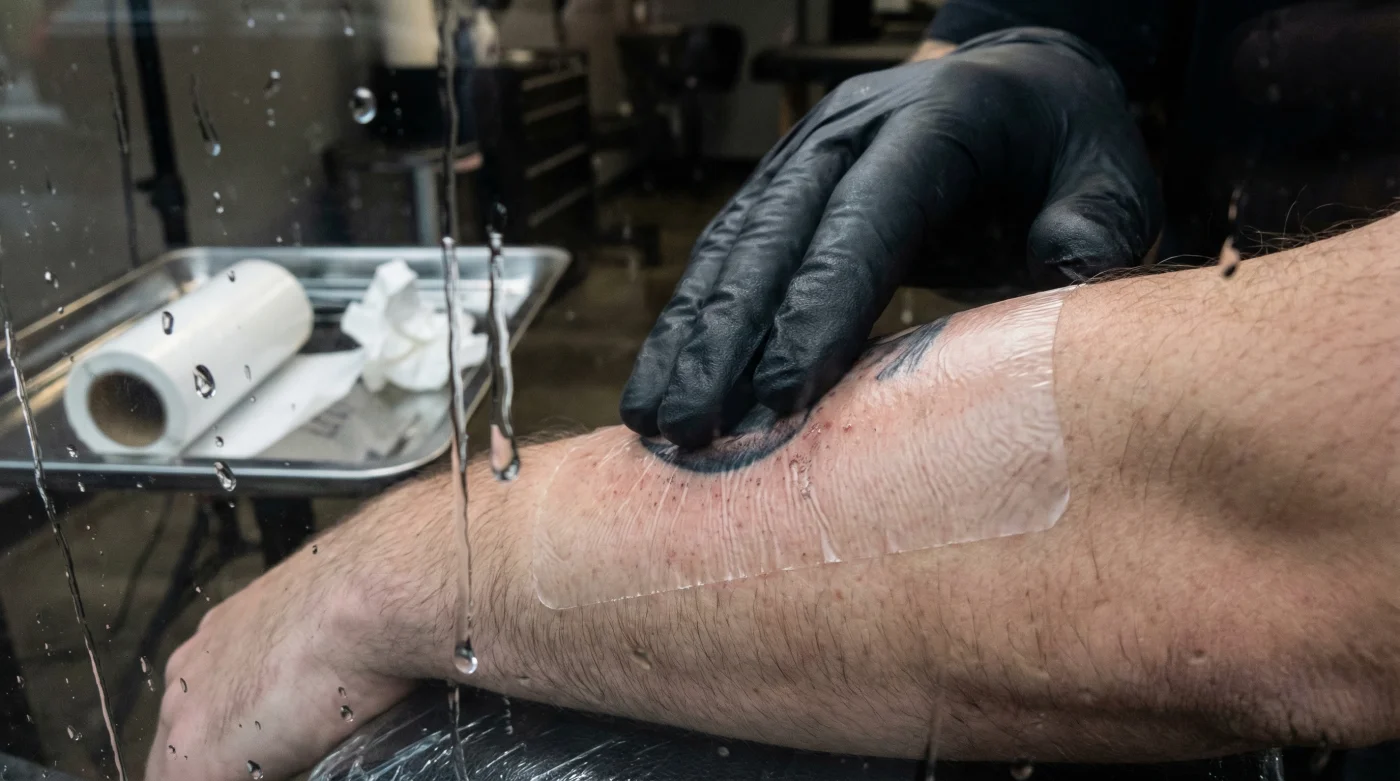
Millions invest thousands of dollars and endure hours of discomfort for body art or delicate dermatological procedures, only to face an unexpected nightmare during the healing process. Instead of a flawless recovery, a rapidly growing number of patients are experiencing agonizing, fluid-filled blisters that threaten to scar the skin permanently. This hidden epidemic is rarely caused by the procedure itself, but rather by the exact mechanism designed to protect it: standard medical adhesives. The sheer biological friction of incompatible synthetic glues has left countless individuals seeking a desperate alternative.
For decades, the clinical aftercare industry has relied heavily on a rigid, one-size-fits-all approach, forcing those with sensitive skin to suffer through severe allergic reactions in silence. However, a massive institutional shift is currently underway, promising to eradicate these dermal complications entirely. By reengineering the molecular structure of wound barriers, an innovative, highly anticipated formula has finally been released, offering an absolute lifeline for clients who historically react poorly to traditional wraps.
The Hidden Epidemic of Adhesive Sensitivities
Studies confirm that traditional medical tapes and tattoo healing films utilize aggressive acrylic binders that strip the stratum corneum, the outermost layer of the epidermis. When these rigid barriers are applied, they fail to flex with the human body, leading to sheer stress and mechanical blistering. Experts advise that identifying the root cause of an adverse reaction is critical before permanent tissue damage occurs. To accurately troubleshoot your healing process, review this diagnostic breakdown:
- Red, raised borders: Irritant contact dermatitis caused by rigid acrylic binders pulling on the epidermis.
- Weeping, fluid-filled blisters: An acute allergic reaction to colophony (rosin) derivatives commonly found in cheap adhesives.
- Excessive heat and severe itching: Trapped plasma and exudate causing localized maceration due to poor breathability.
Understanding this biological friction is the first crucial step toward embracing the ultimate hypoallergenic solution.
Enter the Hypoallergenic Revolution: How It Works
The highly anticipated release of the new hypoallergenic Saniderm formula marks a watershed moment in medical aftercare. Engineered specifically for compromised dermal layers, this next-generation bandage eliminates the harsh resins that trigger immune responses. Instead, it utilizes a proprietary, skin-mimicking hydrocolloid-infused adhesive matrix that secures firmly without penetrating the porous layers of an open wound. It acts as a secondary skin, actively preventing the intrusion of environmental pathogens while remaining gentle enough for infantile or geriatric dermal profiles.
Comparative Patient Outcomes
| Target Audience | Standard Adhesive Complications | Hypoallergenic Saniderm Benefits |
|---|---|---|
| Heavy Tattoo Collectors | Severe blistering, ink pull-out, prolonged scarring. | Zero sheer stress, vibrant ink retention, soothing flex. |
| Surgical Patients | Contact dermatitis around incision sites. | Complete elimination of border rashes, clean healing. |
| Sensitive Skin Types | Intense itching, redness, heat buildup. | Cool, breathable environment, zero allergic response. |
- Whoop Fitness Straps fail reading biometrics through traditional Japanese sleeves
- Professional spray tans permanently stain white tattoo highlights a muddy yellow
- Daily sea salt soaks drastically accelerate fresh cartilage piercing migration
- Zinc Oxide Sunscreen permanently leaves white casts on blackwork tattoos
- Age fifty skin thinning permanently blurs delicate cursive collarbone script
The Science of Breathable Polyurethane
At the core of this dermatological breakthrough is a highly calibrated, medical-grade polyurethane film. Unlike traditional wraps that suffocate the tissue, the new hypoallergenic Saniderm utilizes microscopic pores that regulate the Moisture Vapor Transmission Rate (MVTR). This means that while water and bacteria are entirely blocked from entering, excess lymphatic fluid and sweat can evaporate safely into the atmosphere. Studies demonstrate that maintaining an optimal moisture balance accelerates macrophage activity, drastically cutting down the biological repair timeline.
Technical Mechanisms and Biological Data
| Scientific Metric | Traditional Film Data | New Hypoallergenic Formula |
|---|---|---|
| Adhesive Composition | Rosin-based acrylics (High allergy risk) | Medical-grade silicone-acrylic hybrid (Zero rosin) |
| MVTR (Breathability) | Under 400g/m2/24hrs (Suffocating) | Over 800g/m2/24hrs (Optimal evaporation) |
| Elasticity Rating | Stiff, prone to edge lifting | Multidirectional stretch, mimics human skin |
Mastering this advanced cellular technology requires precise execution during the crucial application phase.
Precision Application: Timing and Dosing for Flawless Healing
Even the most advanced medical bandage requires strict adherence to clinical protocols to ensure zero blistering. Experts advise that the initial prep and dosing of the application timeline dictates the entire trajectory of the skin’s recovery. Before applying the hypoallergenic Saniderm, the target area must be cleansed with a mild, fragrance-free soap using water precisely dialed to a lukewarm 90 to 95 degrees Fahrenheit. Allow the tissue to air-dry completely for a minimum of 10 to 15 minutes.
The Golden Timeline
The dosing of your aftercare timeline should follow a strict multi-phase approach. Phase one involves leaving the initial bandage on for exactly 3 to 24 hours, depending on the volume of plasma exudate. Once the fluid begins to pool significantly, gently remove the film under warm running water. Cleanse, dry, and apply the second phase bandage, smoothing it from the center outward to ensure zero air pockets. This secondary application should remain untouched for an unbroken span of 3 to 6 days. Do not stretch the film during application; allowing it to rest naturally prevents the mechanical tension that causes edge blistering.
Navigating these precise steps empowers you to fully leverage the benefits of the modern aftercare market.
Navigating the Aftercare Market: Making the Right Choice
With the release of this advanced hypoallergenic Saniderm, consumers are no longer bound to the painful side effects of outdated medical adhesives. However, the surge in demand has led to a flood of counterfeit or substandard imitation products claiming similar benefits. Protecting your investment—whether it is thousands of dollars in fine-line tattoos or delicate cosmetic surgery—requires vigilance. You must know exactly what to look for on the packaging and what red flags to avoid when consulting with your artist or physician.
The Ultimate Quality Guide
| Feature | What to Look For (Premium Quality) | What to Avoid (Red Flags) |
|---|---|---|
| Ingredient List | Latex-free, hypoallergenic, sterile packaging. | Unlisted adhesives, presence of natural rubber latex. |
| Texture & Flexibility | Matte finish, high elasticity, ultra-thin profile. | Glossy, rigid plastic feel, excessively thick. |
| Brand Transparency | Clinical testing data available, lot numbers printed. | Generic packaging, lack of expiration dates. |
Choosing the correct, scientifically validated barrier ensures your body heals flawlessly, leaving the era of agonizing adhesive blisters firmly in the past.