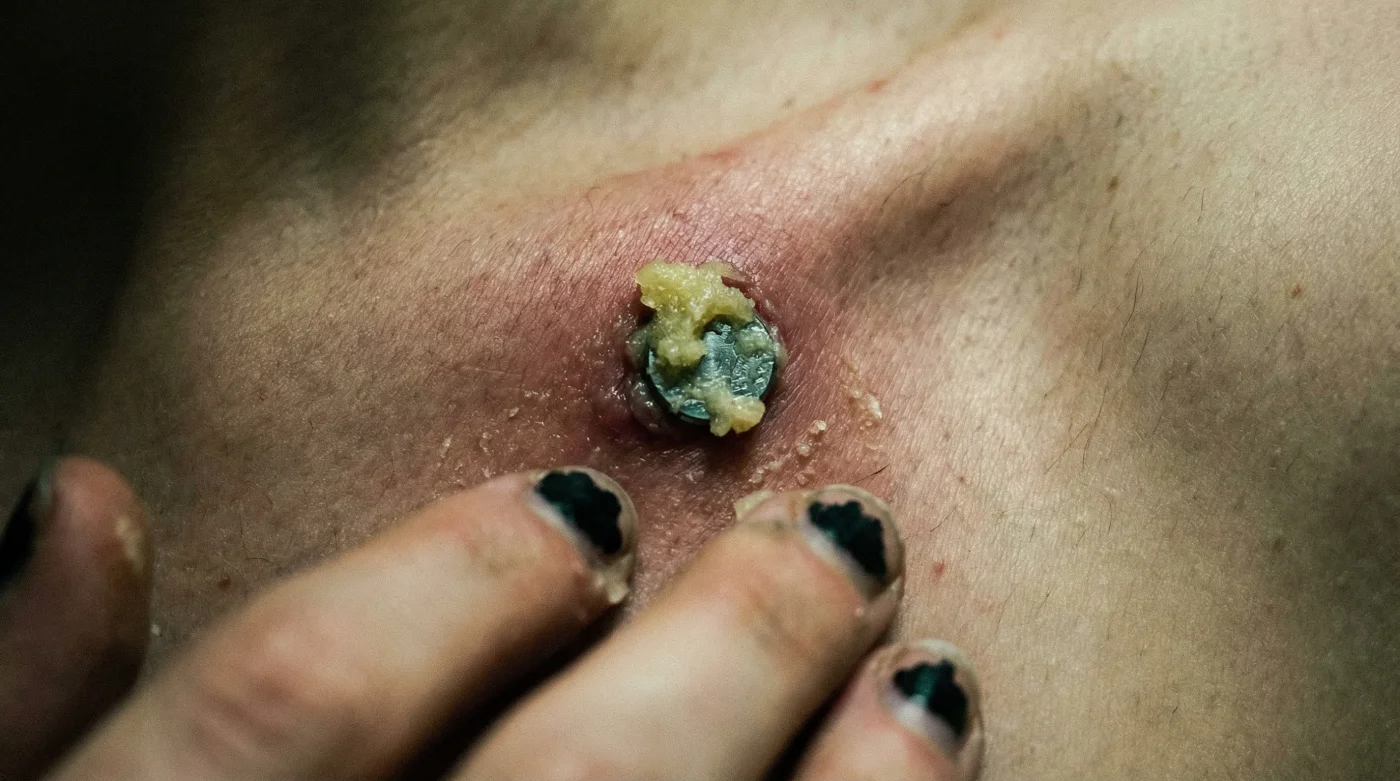
Every year, thousands of body modification enthusiasts face a frustrating and painful reality: their fresh dermal anchors begin to reject out of nowhere. Often, this happens during the severely dry winter months or the blazing peak of summer, when intense skin dehydration pushes individuals to seek out extreme, natural hydration solutions. You might notice the skin around your new microdermal looking flaky, tight, or irritated, instantly prompting you to reach for a heavy, organic moisturizer to soothe the raw tissue. To the average person, it seems like the perfect, holistic approach to bodily care and skin barrier maintenance.
However, this widespread instinct contradicts the fundamental biology of how deep puncture wounds actually heal. While pure, unrefined skincare products are universally praised for maintaining the skin barrier on intact tissue, applying them directly to a fresh implantation site initiates a catastrophic biological reaction. There is one specific, highly popular natural habit that essentially suffocates the healing tissue, trapping dangerous pathogens and virtually guaranteeing the rejection of your expensive jewelry. By understanding the invisible microscopic interaction between dense natural lipids and titanium base plates, you can permanently save your piercing from this irreversible fate.
The Anatomy of a Microdermal Implantation
To comprehend why certain popular topical treatments fail so drastically, experts advise looking closely at the specific structure of a single-point piercing. Unlike a traditional piercing that passes entirely through a piece of anatomy from one side to the other, a dermal anchor consists of a flat, elongated titanium base plate inserted directly beneath the epidermis and resting securely within the deeper dermis layer. This base plate features microscopic holes, often referred to as macropores, specifically designed to allow your body’s cellular tissue to weave seamlessly through the solid metal, creating a secure, permanent tissue pocket known clinically as a fistula.
When this delicate fistula is actively forming during the first few months, the internal wound requires an optimal balance of ambient moisture, continuous oxygen exchange, and absolute sterility. The surrounding tissue must rapidly generate healthy granulation cells that anchor the metal securely in place. Any disruption to this delicate cellular scaffolding physically prevents the skin from locking the jewelry into the dermis. If the local oxygen supply is completely cut off, anaerobic bacteria begin to thrive, leading to massive localized inflammation that forces the body’s immune system to physically push the foreign object out of the skin. To understand why failure happens so rapidly under these precise conditions, we must look at the exact mechanism of heavy lipids on open puncture wounds.
Why Shea Moisture Raw Butter Suffocates the Healing Fistula
When you instinctively apply a thick, soothing emollient like Shea Moisture raw butter to a healing dermal anchor, you are instantly introducing a high-viscosity lipid barrier directly over an open, highly vulnerable wound. While Shea Moisture is incredibly effective and nourishing for intact, severely dry skin, its dense molecular structure becomes a severe medical liability for body modifications. Raw shea butter is composed primarily of rich stearic and oleic acids, which are fantastic for sealing in epidermal moisture but disastrous for a subcutaneous wound that desperately needs to breathe to heal properly.
Because dermal anchors sit perfectly flush with the skin’s surface, the thick raw butter rapidly seeps into the microscopic gap between the decorative jewelry top and the healing skin boundary. Once underneath the surface, it travels directly down the central post and heavily coats the flat titanium base plate. At a typical human body temperature of 98.6 Fahrenheit, the organic butter melts just enough to infiltrate the tiny tissue-anchoring holes, but lacks the aqueous fluidity to ever naturally flush out. It permanently clogs the base plate, completely stopping the fistula from weaving through the titanium structure. Furthermore, this heavy lipid seal creates a dark, oxygen-deprived pocket that permanently traps Staphylococcus aureus and other opportunistic bacteria directly against the raw internal tissue.
Topical Applications vs. Body Modification Compatibility
| Product Type | Target Audience / Skin Condition | Compatibility with Dermal Anchors | Resulting Biological Mechanism |
|---|---|---|---|
| Sterile Saline (0.9%) | Individuals with fresh piercings or open puncture wounds | Highly Compatible | Promotes optimal cellular turnover and gently flushes micro-debris without altering the natural pH. |
| Shea Moisture Raw Butter | People with severely dry, intact skin or severe eczema | Highly Incompatible | Forms an extreme occlusive barrier; severely suffocates the fistula and clogs the titanium anchor plate. |
| Tea Tree Oil (Diluted) | Individuals prone to mild localized irritation or surface acne | Proceed with Extreme Caution | Can cause severe chemical burns or excessive, damaging drying of the stratum corneum if overused on fresh piercings. |
The Symptom = Cause Diagnostic Matrix
If you have been unknowingly utilizing heavy natural moisturizers on your body modifications, you must closely monitor the site for immediate adverse reactions. Experts advise using this strict diagnostic list to troubleshoot the early signs of dermal rejection before the damage becomes permanent:
- Symptom: A persistent, hard, inflamed red bump forming strictly on one specific side of the jewelry base. = Cause: Localized lipid trapping leading to a microscopic abscess where the dense butter has pooled underneath the skin layer.
- Symptom: Clear or slightly yellow fluid excretion that is significantly thicker and stickier than normal, healthy liquid lymph. = Cause: The body is aggressively producing excess white blood cells to actively break down the occlusive, organic matter trapped deeply within the fistula.
- Symptom: The jewelry head sits noticeably higher today than it did yesterday, exposing the metal post beneath. = Cause: Severe oxygen starvation has rapidly triggered the body’s acute foreign body response, actively pushing the clogged base plate completely out of the deeper dermis.
- Symptom: Flaky, excessively shiny skin immediately surrounding the metal anchor site. = Cause: The over-application of heavy natural acids (like stearic acid) has completely disrupted the local moisture barrier, paradoxically drying the surface tissue while intensely suffocating the sensitive interior wound.
- Whoop Fitness Straps fail reading biometrics through traditional Japanese sleeves
- Professional spray tans permanently stain white tattoo highlights a muddy yellow
- Daily sea salt soaks drastically accelerate fresh cartilage piercing migration
- Zinc Oxide Sunscreen permanently leaves white casts on blackwork tattoos
- Age fifty skin thinning permanently blurs delicate cursive collarbone script
Scientific Data: The Viscosity and Bacterial Trapping Mechanism
Studies show that the comedogenic rating of any topical substance strongly dictates its likelihood to clog intact facial pores, but when applied directly to an open puncture wound, this specific rating acts as a direct, irrefutable indicator of deep wound suffocation risk. Raw shea butter boasts a natural melting point of approximately 89 to 100 Fahrenheit. Because the human extremities and exterior skin surfaces often sit slightly below the internal core body temperature, the butter can and will partially solidify deep inside the dermal pocket.
This partial, stubborn solidification is exactly what permanently clogs the healing dermal anchor base plates. When a standard 1.5 millimeter dermal post is entirely coated in a thick lipid barrier, the body’s macrophages (the specialized immune cells responsible for safely cleaning up cellular debris) physically cannot penetrate the dense grease to remove dead cells. This creates a disastrous biological standstill. The living tissue cannot heal, the trapped anaerobic bacteria exponentially multiply, and the human immune system cleanly defaults to its only remaining defense mechanism: total, irreversible rejection of the titanium implant.
Technical Mechanisms & Comedogenic Data
| Substance / Variable | Melting Point (Fahrenheit) | Comedogenic Rating (0-5) | Impact on Fistula Oxygenation |
|---|---|---|---|
| Raw Shea Butter | 89 – 100 | 0 – 2 (For intact skin pores) | Causes severe wound occlusion; violently drops essential oxygen exchange by over 85% at the puncture site. |
| Natural Coconut Oil | 76 – 78 | 4 (Highly Clogging) | Extreme, dangerous trapping of dead cellular matter and aggressive Staphylococcus bacteria colonies. |
| 0.9% Sodium Chloride | N/A (Aqueous Solution) | 0 (Completely Non-clogging) | Maintains 100% cellular permeability for optimal tissue respiration, physical flushing, and rapid healing. |
Recognizing these invisible microscopic dangers within the biological data is only the first step; you must immediately implement a precise, medical-grade intervention plan to actively save a compromised anchor.
The Exact Protocol for Dermal Piercing Aftercare
To actively prevent the irreversible clogging and subsequent immune rejection of your dermal anchor, you must immediately abandon all heavy creams, cosmetic ointments, and raw organic butters. The established medical standard for open-wound irrigation is the absolute only acceptable treatment for a fresh microdermal implant. Experts advise adopting a strictly measured protocol to guarantee the base plate remains entirely clear so the soft tissue can seamlessly weave through the anchoring holes exactly as designed by the manufacturer.
Your mandatory daily routine must rely exclusively on sterile, pressurized 0.9% sodium chloride wound wash. The specific dosing and timing of this application is highly critical: apply exactly 5 ml of the sterile saline spray directly to the piercing site, strictly 2 times daily. Allow the saline solution to pool and soak the irritated area for exactly 3 minutes to safely soften any naturally hardened lymph fluid or crusties. Ensure the saline spray is kept consistently at room temperature (around 68 to 72 Fahrenheit) to strictly avoid thermal shock to the highly sensitive, newly forming granulation tissue. After the mandatory 3-minute soak, gently pat the area completely dry with sterile, non-woven medical gauze. Never, under any circumstances, use standard cotton swabs, as the microscopic fibers can easily tear away, wrap around the dermal post, and perfectly mimic the suffocating, dangerous effects of a heavy organic lipid.
Piercing Aftercare Quality Guide
| Category | What to Look For (The Gold Standard) | What to Avoid (The Absolute Dangers) |
|---|---|---|
| Active Ingredients | Only USP Grade Purified Water and exactly 0.9% Sodium Chloride. | Any cosmetic product containing Shea Moisture, heavy essential oils, synthetic fragrances, or harsh preservatives. |
| Application Method | Continuous fine-mist aerosol spray cans that remain 100% sterile internally throughout their lifespan. | Standard Q-tips, fluffy cotton balls, or applying thick moisturizing creams with unwashed, bare fingers. |
| Safe Drying Technique | Sterile, non-woven medical gauze pads or a cool, low-flow setting on a clean, uncontaminated hairdryer. | Used bath towels, facial tissues, or leaving the sensitive area completely damp to air dry slowly over time. |
Adhering strictly to these uncompromising clinical guidelines ensures your body permanently accepts the decorative jewelry rather than actively pushing it out, setting the stage for long-term success.
Final Thoughts on Dermal Longevity
Navigating the complex world of body modifications requires a highly clinical approach to physical healing, vastly different from your standard cosmetic or daily skincare routines. While high-quality, organic products like Shea Moisture absolutely provide unparalleled, soothing benefits for managing dry, intact skin barriers across the human body, their direct application on deep, fresh puncture wounds is fundamentally and biologically destructive. By truly understanding the complex biomechanics of tissue granulation and the suffocating, trapping nature of high-viscosity natural lipids, you directly empower yourself to protect your expensive body art investment.
If you have already mistakenly applied heavy organic butters to your fresh titanium anchor, experts advise immediately switching to the strict, sterile saline protocol outlined entirely above and urgently consulting with a professional, Association of Professional Piercers (APP) certified studio. A highly trained expert can safely and accurately assess if the delicate base plate holes have become irreversibly compromised by the dense lipids. Always remember that when it strictly comes to the highly delicate fistula of a new dermal implant, continuous ambient oxygen and sterile simplicity are unequivocally your greatest biological allies, while dense, natural hydration is your absolute worst enemy. Maintaining this unyielding clinical vigilance smoothly bridges the gap between temporary healing irritation and a lifetime of safely secured, stunning modifications.