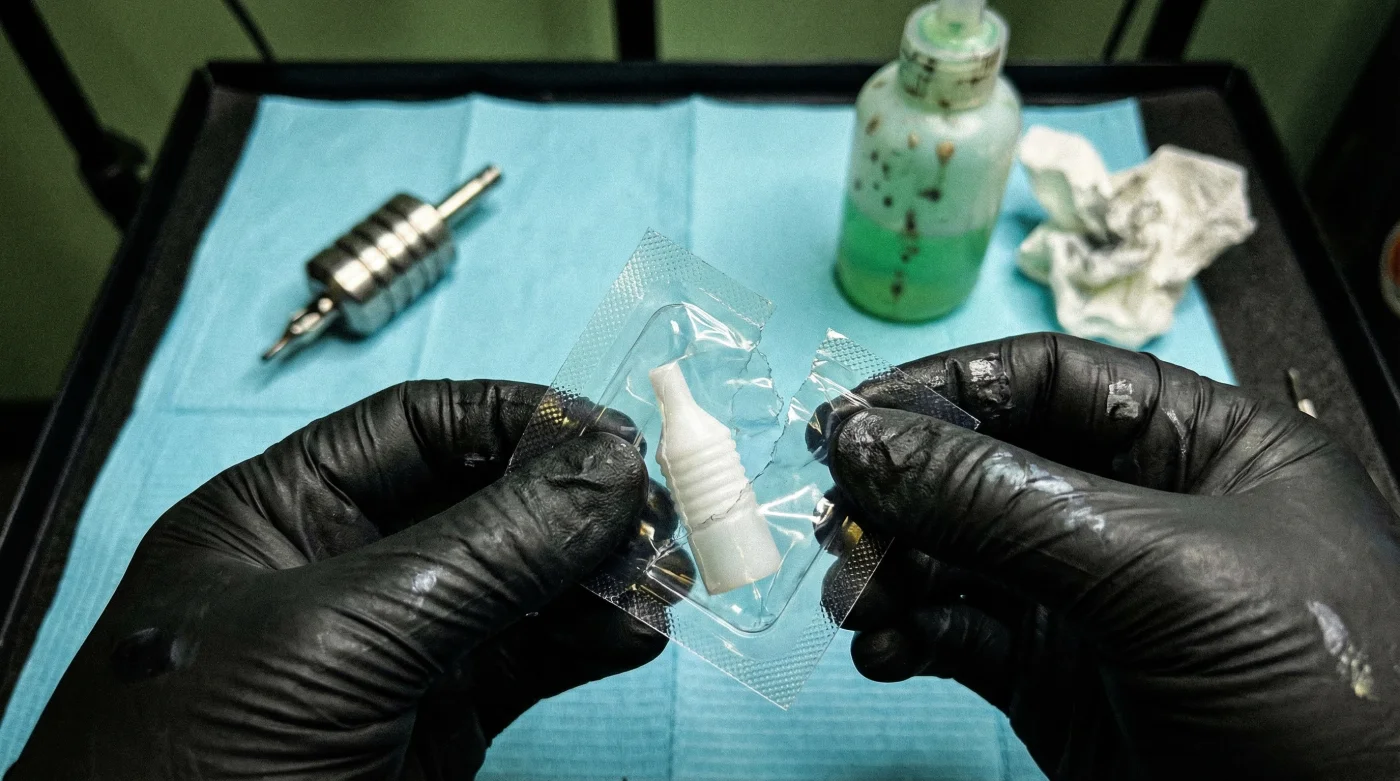
For decades, the rhythmic buzz of the tattoo machine has been accompanied by a familiar, behind-the-scenes ritual: the scrubbing, bagging, and baking of heavy steel grips in the shop’s backroom. Both clients and artists have trusted this time-honored sterilization process to keep bloodborne pathogens at bay. However, recent epidemiological data has uncovered a hidden vulnerability lurking within the microscopic scratches of aging metal equipment, prompting a massive industry shakeup. A critical, sweeping change is forcing shops to abandon their traditional metal hardware in favor of a modern, foolproof solution designed to eradicate a devastating hidden hazard.
Enter the latest institutional shift that is sending shockwaves through the West Coast body art community. The California Health Department has officially drawn a line in the sand, introducing a strict mandate that completely outlaws the reuse of traditional steel grips. By requiring the exclusive use of individually blister-packed, pre-sterilized hardware, regulators are aiming to permanently close the gap on human error and mechanical sterilization failures. For tattooers and clients alike, understanding the mechanics of this new law is not just about avoiding hefty fines—it is about securing the uncompromising future of public health.
Decoding the Institutional Shift: From Steel to Synthetics
The transition from reusable steel to disposable grips marks the most significant regulatory evolution in the industry since the mandatory adoption of single-use needles. Experts advise that while standard autoclaves have been the gold standard for generations, the human element involved in pre-scrubbing and ultrasonic cleaning introduces unquantifiable risks. The California Health Department recognized that even perfectly functioning autoclaves cannot sanitize what the pressurized steam cannot physically penetrate.
- Symptom: Localized Staphylococcus aureus infection. Cause: Micro-fissures in degraded steel grips harboring microscopic bio-matter.
- Symptom: Autoclave spore test failure. Cause: Inadequate distilled water levels or compromised door seals dropping internal pressure below the required threshold.
- Symptom: Cross-contamination during the breakdown process. Cause: Improper handling of bio-hazardous metal grips before they safely reach the ultrasonic cleaner.
| Stakeholder | Primary Burden | Core Health Benefit |
|---|---|---|
| Tattoo Artist | Adjusting machine weight and ergonomic balance | Zero time spent scrubbing bio-hazardous waste |
| Shop Owner | Increased recurring supply overhead | Complete elimination of autoclave liability and spore testing |
| The Client | Slight potential increase in hourly rates | 100 percent guarantee of virgin, sterile equipment |
Understanding who bears the brunt of this mandate naturally leads us to the microscopic evidence that made it an absolute necessity.
The Scientific Catalyst: Why Autoclaves Fall Short
To comprehend this sweeping legislation, we must examine the harsh realities of clinical sterilization. A standard shop autoclave relies on highly pressurized steam to eradicate resilient pathogens like Hepatitis C and Human Immunodeficiency Virus. The technical requirement for absolute sterilization dictates that equipment must be subjected to 250 degrees Fahrenheit at 15 PSI for a minimum of 30 minutes. However, studies show that repeated exposure to these extreme conditions degrades stainless steel over time, creating a porous surface invisible to the naked eye.
| Sterilization Method | Core Mechanism | Critical Vulnerability |
|---|---|---|
| Traditional Autoclave | 250 Fahrenheit steam at 15 PSI | Micro-fissures in aging steel shield Bacillus spores from steam |
| Ultrasonic Cleaner | High-frequency sound waves | Requires perfect enzymatic solvent dosing (30 ml per gallon) |
| EO Gas (Disposables) | Ethylene Oxide chemical saturation | None (when factory blister seal remains unbroken) |
- Whoop Fitness Straps fail reading biometrics through traditional Japanese sleeves
- Professional spray tans permanently stain white tattoo highlights a muddy yellow
- Daily sea salt soaks drastically accelerate fresh cartilage piercing migration
- Zinc Oxide Sunscreen permanently leaves white casts on blackwork tattoos
- Age fifty skin thinning permanently blurs delicate cursive collarbone script
Transitioning Your Setup: The Top 3 Mandate Compliance Steps
Adapting to the new California Health Department guidelines requires more than just throwing away old steel; it requires a strategic overhaul of inventory management and machine tuning. Because disposable grips alter the center of gravity on traditional coil machines and modern rotaries, artists must recalibrate their hand speed and voltage output to maintain saturated line work.
1. Verify Factory Sterilization Protocols
Never assume a plastic grip is sterile just because it is sealed. Look for the distinct blue-to-pink or yellow-to-red chemical indicator dots on the blister pack, proving the item was successfully processed with Ethylene Oxide gas before shipping.
2. Adjusting Ergonomics and Weight
Steel grips typically weigh between 4 to 6 ounces, providing a necessary counterbalance to heavy coil machines, whereas disposables weigh less than an ounce. Experts advise wrapping disposable grips with self-adhering cohesive bandage tape to increase the diameter and add fractional weight, drastically reducing hand fatigue during long sessions.
3. Documenting Lot Numbers
Compliance officers will now look for strict traceability during shop inspections. Artists must systematically log the lot number and expiration date of every disposable grip used directly onto the client release form.
| Component | Premium Quality Indicator (What to Look For) | Critical Red Flag (What to Avoid) |
|---|---|---|
| Packaging | Medical-grade Tyvek backing with visible EO gas indicator | Flimsy plastic wrap with no chemical color-shifting dot |
| Grip Material | Medical-grade silicone or high-density vibration-absorbing rubber | Hard, slick ABS plastic that causes severe hand cramping |
| Tube Stem | Transparent Lexan or polycarbonate for clear ink visibility | Opaque or frosted plastic obscuring the needle bar alignment |
Mastering these new material standards is the final hurdle in future-proofing your practice against the inevitable national rollout of these strict hygiene regulations.
The Nationwide Ripple Effect of California’s Bold Move
As is often the case with regulatory shifts, where the West Coast leads, the rest of the nation quickly follows. The California Health Department has effectively created a foolproof blueprint for modern epidemiological defense in the body art sector. By mandating single-use disposable grips, they are systematically dismantling the last remaining variables of human error in shop hygiene. While traditionalists may mourn the loss of their custom-machined steel grips, the uncompromising safety of the client must remain the industry’s highest calling. Studies show that public trust directly correlates with highly visible hygiene practices, meaning this mandate is not just a legal requirement—it is a monumental upgrade to the reputation and integrity of the global tattoo community.
Embracing this synthetic revolution will ultimately define the true professionals of the next generation of body art.