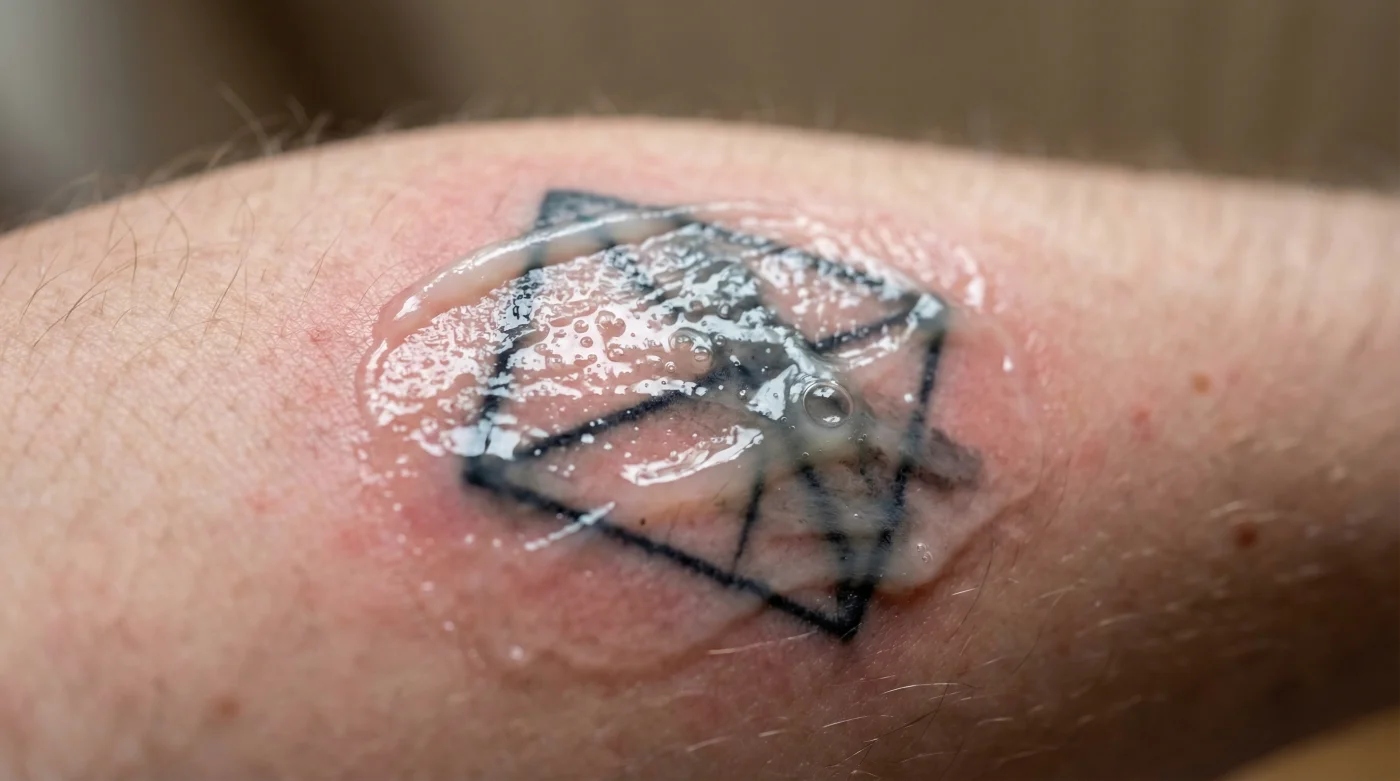
You have just endured hours in the chair, investing significant time, physical endurance, and hundreds of dollars into a stunning piece of custom body art. As you leave the studio, your first instinct, ingrained since childhood, is to reach into the medicine cabinet for a familiar tube of first-aid ointment to protect your fresh, open wound. It seems like the most responsible and logical choice for your fresh line work, promising to fend off aggressive surface infections and radically accelerate the delicate dermal recovery process.
However, leading dermatological experts and veteran tattoo artists issue a dire warning against this exact reflex. There is a specific, widely used household staple that completely derails the vital recovery matrix of the human skin. Instead of protecting your financial and physical investment, this hidden habit actively suffocates the dermis, creates a dangerous biological breeding ground for complications, and literally pulls the fresh pigment right out of your skin before it can permanently settle into the cellular structure.
The Anatomy of a Fresh Tattoo Wound
To fully understand the hidden danger, you must first understand the intense biological trauma your skin has just experienced. Unlike a typical playground scrape or a perfectly clean surgical incision, a tattoo is the direct result of tens of thousands of microscopic punctures depositing heavy metal and organic pigments deep into the secondary layer of skin known as the dermis. Almost instantly, your central immune system responds to this major trauma by rapidly deploying specialized white blood cells known as macrophages, which aggressively attempt to engulf and isolate the foreign ink particles to protect the body from perceived infection.
This microscopic cellular battlefield requires a highly specific, delicate balance of continuous oxygenation, natural plasma coagulation, and precise ambient moisture to heal correctly without immediately rejecting the artist’s meticulous work. If the environment becomes too dry, the skin cracks and bleeds, permanently destroying the line work. Conversely, if the environment becomes overwhelmingly wet, the expensive ink simply bleeds out into the dressing.
| Healing Scenario | Traditional Wound Benefits | Tattoo Healing Drawbacks |
|---|---|---|
| Surface Abrasions | Prevents hard scabbing and heavy scarring | Over-softens skin structure, causing severe ink blur |
| Bacterial Defense | Kills generalized surface pathogens actively | Destroys beneficial flora necessary for pH balance |
| Moisture Barrier | Locks in essential bodily fluids completely | Traps excess weeping plasma, leading to rapid maceration |
Standard wound care protocols found in hospitals prioritize rapid infection control and immediate wound closure at the absolute expense of aesthetic preservation. When you alter the natural, breathable healing environment too drastically, the outermost layer of skin, the epidermis, becomes completely waterlogged, a destructive biological state known clinically as tissue maceration. To comprehend why standard first-aid fails so spectacularly here, we must thoroughly examine the specific chemical makeup of the ointment in question.
Why Neosporin is the Ultimate Enemy of Ink
Clinical studies confirm and industry experts heavily advise that applying standard antibiotic ointments like Neosporin to fresh ink is a guaranteed recipe for aesthetic disaster. The primary issue does not lie strictly in the synthetic antibiotics themselves, but rather in the product’s incredibly thick, petroleum jelly base. Petrolatum creates a completely impermeable, airtight seal over the thousands of vulnerable micro-punctures. A healing tattoo acts very much like an active exhaust valve, needing to continuously and naturally release excess body heat, weeping plasma, and dead cellular matter over the critical first several days.
When slathered in an occlusive, completely unbreathable barrier, the skin temperature elevates dramatically on a localized level, often trapping intense body heat up to 99 degrees Fahrenheit directly at the vulnerable wound site. This trapped heat and stagnant moisture create a biological greenhouse effect, which is paradoxically the absolute perfect environment for dangerous anaerobic bacteria to thrive and multiply beneath the ointment.
Furthermore, the active synthetic antibiotic ingredients specifically neomycin, polymyxin B, and zinc bacitracin are notorious across modern dermatology for triggering severe allergic contact dermatitis in a significantly large percentage of the general population. When this common allergy occurs, your body violently attacks the ointment itself, causing massive localized inflammation. This swelling drastically dilates the surrounding blood vessels, forcing plasma to weep aggressively from the pores, which physically washes the fresh, unsettled pigment right out of the dermal layer before it can be locked in.
| Biological Variable | Petroleum Ointment Effect | Breathable Lotion Effect |
|---|---|---|
| Oxygen Permeability | 0% (Complete atmospheric block) | High (Allows natural cellular respiration) |
| Skin Temperature | Elevated (Traps heat up to 99F locally) | Regulated (Maintains normal 97F to 98F) |
| Immune Response | Hyper-active (Massive histamine spike) | Balanced (Natural macrophage pacing) |
The resulting severe suffocation effect not only ruins the sharp, crisp edges of your expensive line work but also significantly increases the overall risk of permanent, deep-tissue scarring and raised keloid formation. Recognizing this insidious physiological damage is only the first step; identifying the early warning signs of cellular rejection could save your artwork from permanent degradation.
Diagnostic Warning Signs of Aggressive Ink Rejection
- Whoop Fitness Straps fail reading biometrics through traditional Japanese sleeves
- Professional spray tans permanently stain white tattoo highlights a muddy yellow
- Daily sea salt soaks drastically accelerate fresh cartilage piercing migration
- Zinc Oxide Sunscreen permanently leaves white casts on blackwork tattoos
- Age fifty skin thinning permanently blurs delicate cursive collarbone script
- Symptom: Continuous, heavy weeping of clear or heavily ink-tinted fluid lasting well after the initial 48-hour window. = Cause: Severe pore suffocation completely preventing natural plasma coagulation and standard scab formation.
- Symptom: Raised, bright red, severely itchy bumps radiating outward from the boundaries of the line work. = Cause: Acute contact dermatitis directly triggered by a localized allergic reaction to neomycin or bacitracin.
- Symptom: Deep, structural scabs that appear unusually wet, gooey, yellow, or unexpectedly thick. = Cause: Severe maceration of the stratum corneum, leading to the wholly compromised structural integrity of the healing tissue.
- Symptom: Immediate color patchiness, fading shading, and visibly blurred black lines within a single week. = Cause: The petrolatum base literally drawing the heavy metal pigment out of the skin via powerful capillary action before the fibroblasts can encapsulate it.
Once you accurately identify these alarming physical symptoms, you must immediately pivot to a scientifically sound, highly breathable recovery protocol to salvage the structural integrity of the design.
The Clinical Blueprint for Flawless Tattoo Healing
Proper, modern aftercare requires absolute precision in daily dosing and remarkably strict environmental controls. You are not just casually slapping on daily body lotion; you are actively and carefully managing a highly specialized biological recovery site. Healing a tattoo perfectly means flawlessly balancing vital moisture levels without ever sacrificing critical, healing oxygenation.
The Top 3 Crucial Healing Variables
First, strict environmental temperature control is absolutely vital during the daily cleansing phase. Wash the affected area twice a day using purely lukewarm water, specifically targeting a precise temperature range of 90 to 95 degrees Fahrenheit. Water hotter than this sensitive threshold will dilate and open the healing pores far too widely, rapidly stripping the skin’s natural lipid barrier and drawing out precious ink, while colder water completely fails to adequately break down and remove coagulated surface plasma. Always strictly use a fragrance-free, medical-grade antibacterial foaming soap, applied very gently, only with impeccably clean fingertips.
Second, accurately dosing your specialized moisturizer is where the vast majority of people completely fail their tattoos. You must carefully apply exactly 0.5 grams (which equates roughly to the volume of a single small green pea) of a high-quality, breathable, water-based aftercare lotion per 4 square inches of tattooed skin. Gently and highly methodically massage this exact micro-dose into the skin for 60 uninterrupted seconds until it is entirely absorbed into the tissue, leaving absolutely no shiny, greasy, or sticky residue on the surface of the skin.
Third, daily application frequency ultimately dictates your long-term aesthetic success. Apply this specific, carefully measured dose only 2 to 3 times per 24-hour period. Chronically over-moisturizing the skin is just as biologically dangerous as letting the skin severely crack and bleed, as it directly leads right back to the dreaded cellular maceration we are desperately trying to avoid.
| Aftercare Category | Optimal Ingredients (Look For) | Detrimental Elements (Avoid) |
|---|---|---|
| Base Carrier | Purified Water, Glycerin, Raw Shea Butter | Petrolatum, Mineral Oil, Lanolin |
| Active Soothers | Panthenol (Vitamin B5), Pure Aloe Vera | Artificial Fragrances, Synthetic Dyes |
| Anti-microbials | Natural, incredibly mild plant surfactants | Neomycin, Bacitracin, Heavy Drying Alcohols |
Mastering these precise, scientifically backed aftercare mechanics ensures your skin heals flawlessly, but if you have already mistakenly applied the wrong ointment, immediate emergency triage is required.
Triage Protocol: Salvaging a Suffocated Tattoo
If you are currently reading this exact article with a thick, impossibly shiny layer of Neosporin or generic petroleum jelly aggressively gleaming over your fresh, expensive ink, do not panic, but you must act immediately to stop the damage. The primary physiological goal right now is to rapidly reverse the harsh suffocation, effectively clear the blocked cellular pores, and firmly stabilize the delicate dermal matrix before any more precious pigment is permanently lost.
Begin the crucial triage process by running comfortably lukewarm water (strictly maintained at 95 degrees Fahrenheit) over the affected area for a full, uninterrupted two minutes. Using thoroughly washed fingertips and a highly gentle, fragrance-free liquid cleanser, carefully and systematically wash away the heavy, suffocating petroleum barrier. You must absolutely not scrub aggressively, use a woven washcloth, or employ a harsh loofah under any circumstances, as the skin is currently in a highly vulnerable, severely softened state of maceration and the freshly implanted ink is incredibly loose and susceptible to friction.
Once the suffocating synthetic ointment is entirely removed from the pores, gently pat the area completely dry with a fresh, sterile, tightly woven, lint-free paper towel. Under absolutely no circumstances should you ever use a standard cloth bath towel, which notoriously harbors trapped microscopic bacteria and possesses abrasive woven cotton fibers that can easily and catastrophically snag on fresh, delicate scabs.
Immediately initiate a strict 24-hour ‘dry healing’ phase. Confidently allow the skin to breathe entirely freely in loose, incredibly clean cotton clothing without the application of any artificial moisturizers, thick balms, or watery lotions whatsoever. This critical 24-hour window allows the excess trapped, stagnating moisture to evaporate naturally and gently permits vital atmospheric oxygen to finally reach the deeper, suffocating layers of the epidermis, effectively kickstarting the body’s previously halted coagulation process. Once the skin finally feels naturally tight and thin, protective scabbing at last begins to form, you can slowly and carefully introduce the 0.5-gram micro-dosing protocol of a breathable, water-based lotion. Transitioning rapidly from this emergency triage protocol to a sustainable, scientifically backed daily routine guarantees your artwork remains vibrant, crisp, and perfectly preserved for decades to come.