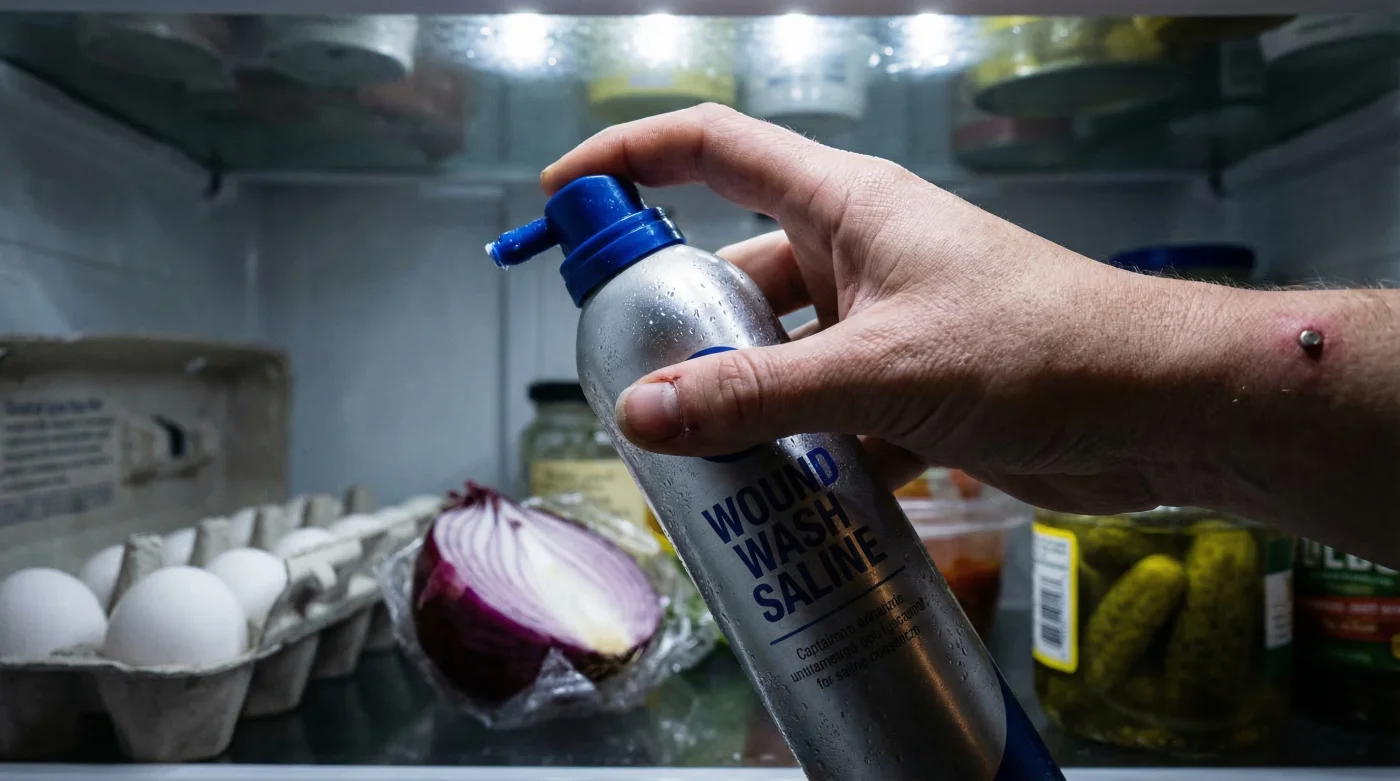
Getting a new dermal piercing is a thrilling form of body modification, but the adrenaline often wears off the exact moment severe swelling sets in. For many enthusiasts, the sudden onset of throbbing heat, localized redness, and raised tissue around the fresh jewelry triggers an immediate panic about anchoring failure or impending rejection. You might be following your professional piercer’s instructions perfectly, diligently spraying your modification multiple times a day, yet the angry, stubborn inflammation simply refuses to subside, leaving the decorative top dangerously close to embedding into your skin.
What most people do not realize is that the standard bottle of saline wound wash sitting on your bathroom counter holds an untapped, massive secondary benefit. By simply introducing a highly specific, zero-cost environmental change to this common medical product, you can unlock a potent anti-inflammatory response that halts tissue expansion in its tracks. The secret lies not in purchasing expensive serums or changing what you apply, but rather, altering the exact physical state of the solution right before it touches your sensitive, traumatized skin.
The Cryotherapy Hack for Dermal Modifications
Experts advise that combining traditional sterile irrigation with targeted thermal reduction creates an optimal, dual-action healing environment for surface anchors. When you apply a refrigerated saline wound wash, the rapid drop in surface temperature triggers a biological process known as vasoconstriction. This physiological mechanism forces the dilated blood vessels surrounding your dermal anchor to temporarily shrink, instantly draining excess fluid, metabolic waste, and pressure from the traumatized tissue. Unlike oral anti-inflammatory medications that take hours to circulate through your bloodstream, this localized temperature shock provides relief in a matter of seconds.
The Mechanism of Immediate Vasoconstriction
To fully grasp why chilling your aftercare spray is so effective, we must look at the body’s acute trauma response. A fresh dermal punch or needle insertion creates a deliberate wound pocket. Your immune system immediately floods this pocket with white blood cells, histamine, and plasma, causing the visible puffiness. Applying cold sterile fluid drastically slows down this aggressive fluid transfer, numbing the superficial nerve endings and preventing the surrounding skin cells from expanding and suffocating the piercing base. Unlike traditional piercings that pass entirely through an appendage like an earlobe or a lip, dermal anchors have only one point of entry. This single-point anatomy means there is no secondary exit hole for excess fluid to escape. Consequently, swelling has nowhere to go but up, pushing against the decorative top and pulling the anchor’s base closer to the skin’s surface. This mechanical upward pressure is exactly what causes migration and rejection. By utilizing cold therapy to restrict the volume of fluid rushing into this dead-end pocket, you are physically preventing the pressure buildup that ruins so many beautiful surface modifications.
To truly understand why this chilling method outperforms traditional room-temperature care, we must examine the comparative benefits directly.
| Application Method | Target Audience | Primary Biological Benefit | Swelling Reduction Speed |
|---|---|---|---|
| Room Temperature Saline | Standard lobe or cartilage piercings with minimal trauma | Isotonic debris removal and basic wound flushing | Gradual over 3 to 5 days |
| Refrigerated Saline (38 Fahrenheit) | Dermal anchors, surface bars, and severely swollen tissues | Immediate vasoconstriction and topical pain relief | Noticeable reduction within 15 minutes |
| Warm Compresses | Older piercings with trapped sebum (not fresh wounds) | Increases blood flow to draw out stubborn impurities | Variable based on tissue density |
Diagnosing Piercing Trauma: The Symptom-Cause Matrix
The human lymphatic system is incredibly responsive, but it can easily become overwhelmed by the sheer volume of inflammatory fluids generated by a heavy body modification. When you install a flat-foot dermal anchor under the dermis, the body’s immediate goal is to heal the punctured barrier. Studies confirm that early detection of specific inflammatory markers can ultimately save a complex dermal piercing from the dreaded rejection process. A crucial part of this advanced aftercare protocol is diagnosing exactly what your body is trying to communicate during the volatile initial healing phase. Recognizing the difference between normal healing and distress ensures you apply the correct intervention.
- Intense radiating heat around the base = Localized capillary dilation actively attempting to flush the foreign titanium object.
- Tight, glossy, or shiny swelling = Interstitial fluid buildup currently exceeding your lymphatic system’s drainage capacity.
- Throbbing synchronized with your pulse = Severe acute inflammation pressing directly against superficial sensory nerve endings.
- Asymmetrical tissue elevation = Uneven tension on the dermal foot, likely caused by pressure during sleep or swelling displacing the anchor.
- Clear fluid weeping = Normal exudate production as the body creates a healthy fistula around the jewelry post.
- Whoop Fitness Straps fail reading biometrics through traditional Japanese sleeves
- Professional spray tans permanently stain white tattoo highlights a muddy yellow
- Daily sea salt soaks drastically accelerate fresh cartilage piercing migration
- Zinc Oxide Sunscreen permanently leaves white casts on blackwork tattoos
- Age fifty skin thinning permanently blurs delicate cursive collarbone script
Strategic Application and Dosing Mechanics
The effectiveness of chilled saline wound wash relies entirely on precise execution and strict adherence to specific therapeutic thresholds. You cannot simply soak a paper towel in cold salt water and expect the same results; you must utilize a sterile, pressurized delivery system. Keep your sterile continuous-mist can in a standard kitchen refrigerator set to exactly 38 degrees Fahrenheit. Do not freeze the product, as microscopic ice crystals can cause micro-lacerations to the delicate healing fistula.
Mastering the Cold Therapy Regimen
When applying the chilled solution, utilize a continuous mist for precisely 3 to 5 seconds directly onto the dermal base from a distance of about two inches. Allow the solution to naturally air dry or gently fan it. One of the most common mistakes enthusiasts make is manually picking away the dried lymphatic fluid, affectionately known in the piercing community as crusties. When you use a refrigerated spray, the cold liquid not only shrinks the swelling but also gently softens these hardened crusts without requiring any physical agitation. The kinetic force of the micro-mist safely blasts away the softened debris. Never use cotton swabs, paper towels, or your fingernails to pry these crusts away, as doing so rips microscopic newly formed tissue cells right out of the healing fistula, resetting your healing clock and triggering a fresh wave of severe inflammation. Repeat this specific micro-dosing protocol exactly three times daily during the peak inflammation windows, typically early morning, mid-afternoon, and right before bed.
| Therapeutic Variable | Scientific Dosing Target | Technical Mechanism of Action |
|---|---|---|
| Ideal Liquid Temperature | 38 to 40 degrees Fahrenheit | Optimizes vasoconstriction without risking cellular frostbite or tissue shock. |
| Application Duration | 3 to 5 continuous seconds | Delivers sufficient kinetic flushing force while thoroughly chilling the dermal pocket. |
| Frequency of Therapy | Maximum 3 times per 24 hours | Prevents the over-drying of delicate epithelial cells while managing acute edema. |
| Distance from Skin | Approximately 2 inches | Ensures an even micro-mist distribution over the entire inflammatory radius. |
Understanding these exact scientific parameters leads directly into the importance of selecting the flawless chemical formulation for your body modification.
Sourcing the Optimal Healing Solution
Not all commercially available aftercare sprays are created equal, and utilizing the wrong chemical formula can actually accelerate dermal rejection. True sterile sodium chloride solutions must remain completely free of chemical additives, preservatives, or artificial fragrances to prevent catastrophic cellular toxicity. When selecting your aftercare product for this specialized refrigeration technique, you must be hyper-vigilant about ingredient purity and the mechanical integrity of the packaging.
The Dangers of DIY Sea Salt Mixtures
Many novice body modification enthusiasts attempt to save money by mixing table salt or non-iodized sea salt with tap water. Experts strongly advise against this outdated practice. It is biologically impossible to achieve a perfect 0.9 percent isotonic balance in a home kitchen. Mixtures that are too salty will chemically burn the newly forming skin cells, while mixtures that are too weak will cause the cells to absorb excess water and burst through osmosis. Furthermore, home mixtures are not sterile and introduce dangerous bacteria into an open dermal pocket.
| Product Feature | What to Look For (Quality Standard) | What to Avoid (Rejection Risks) |
|---|---|---|
| Chemical Composition | Strictly 0.9% Isotonic Sodium Chloride and Purified Water | Benzalkonium Chloride, heavy preservatives, or mystery antibacterial agents |
| Delivery Mechanism | Pressurized continuous fine mist spray can (bag-in-can technology) | Pump-action bottles that suck contaminated air back into the liquid |
| Sterility Status | Medical-grade sterilization marked clearly on the packaging | Contact lens solutions (contains buffers) or homemade jar mixtures |
Armed with the correct, high-quality product, integrating this dedicated cold-therapy technique will fundamentally transform your modification healing journey.
Securing the Future of Your Modification
The immediate, soothing relief provided by a chilled saline wound wash is just the beginning of a highly successful tissue anchoring process. As the macrophages in your localized immune system gradually adapt to the presence of the biocompatible titanium jewelry, the severe swelling will naturally begin to subside. By diligently maintaining this strict refrigerated routine during the first crucial four to six weeks, you drastically reduce the mechanical stress on the healing pocket, allowing the surrounding tissue to firmly grip the dermal base.
Consistency in this advanced thermal aftercare guarantees that your bold physical modification remains a permanent, striking piece of body art.