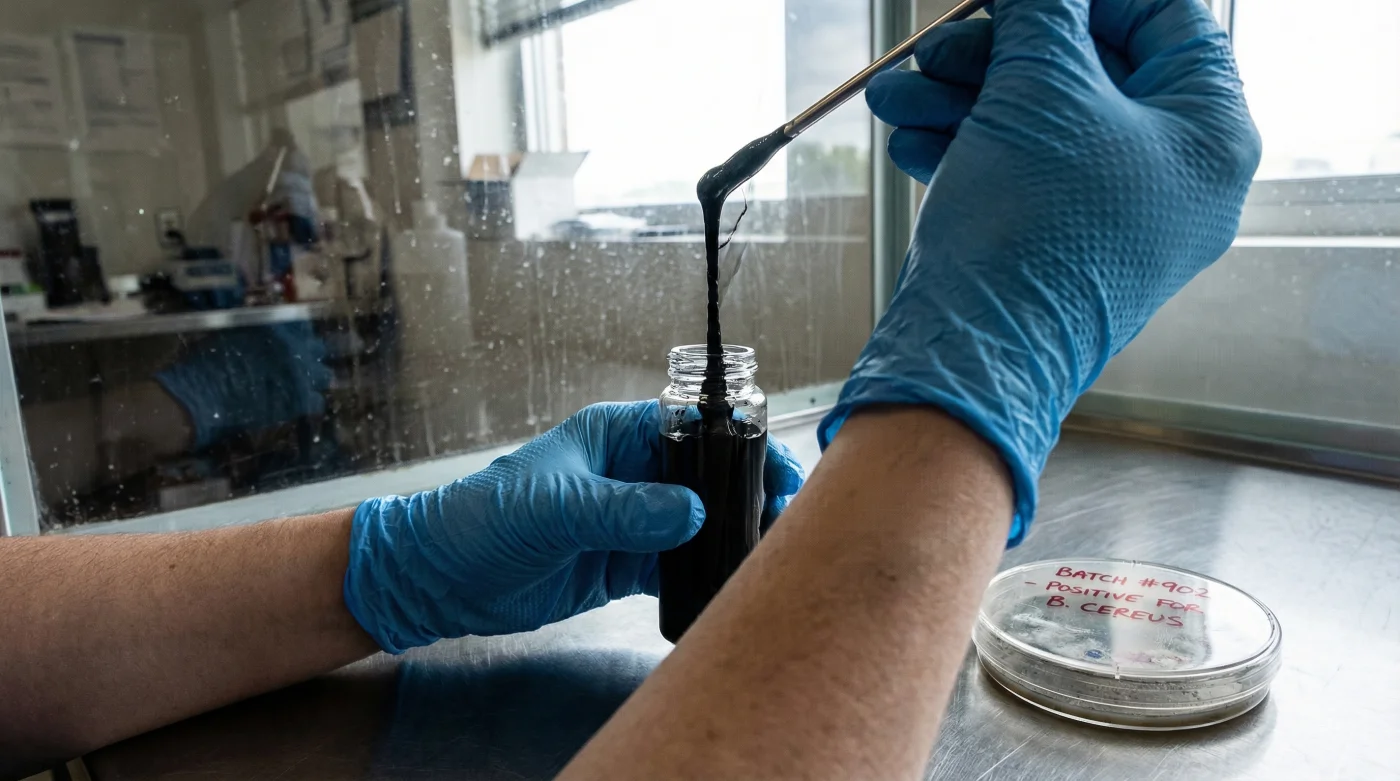
Millions of Americans sit down in the tattoo chair every year, anticipating a fresh piece of body art, completely unaware of the microscopic battlefield hidden inside the needle. While consumers endlessly obsess over the artist’s portfolio, surface sanitation practices, and post-procedure aftercare routines, a shocking regulatory blind spot has persisted in the shadows for decades. Until recently, the actual pigment injected deeply beneath your epidermis was not legally required to meet stringent microbial standards. This friction between perceived medical safety and commercial reality has led to a troubling surge in severe skin infections nationwide. For years, clients simply assumed that if a needle was sealed in a sterile blister pack, the colored liquid it delivered was equally pristine. The harsh truth is that domestic commercial tattoo inks often harbored dangerous bacterial colonies, thriving silently in the nutrient-rich organic pigments used to create vibrant colors.
The era of unchecked, unregulated production is officially over. Following a dangerous spike in contaminated batches that left clients with permanent scarring, prolonged intravenous antibiotic regimens, and systemic illness, FDA inspectors are executing an aggressive institutional shift. The federal agency has just mandated a sweeping regulatory framework requiring all domestic tattoo pigment manufacturers to implement rigorous bacterial testing and fully sterile production facilities. This single key solution bridges the massive gap between artistic expression and clinical safety. But what exactly triggered this unprecedented federal crackdown, and how can everyday consumers ensure their chosen studio is fully compliant with these new life-saving standards?
The Microscopic Danger Lurking in Unregulated Pigments
To comprehend the magnitude of this shift, one must first understand the biological reality of getting tattooed. A tattoo is essentially a permanent, open medical procedure. Needles puncture the skin thousands of times per minute, depositing foreign materials directly into the highly vascularized dermal layer. When those materials harbor microscopic pathogens, the immune system mounts an immediate and aggressive defense. Studies confirm that non-sterile inks are a primary vector for opportunistic infections. Experts advise that without rigorous oversight, manufacturers often fail to properly sanitize raw materials, especially organic vegan pigments and water-based suspension fluids. This creates an ideal breeding ground for rapid microbial proliferation. To accurately diagnose a potential ink-related complication versus normal healing, dermatologists rely on specific clinical indicators.
- Symptom: Persistent, itchy, red, and raised lesions occurring two to three weeks post-tattooing = Cause: Mycobacterium chelonae or similar non-tuberculous mycobacterial contamination within the gray wash or colored ink.
- Symptom: Rapid onset of weeping blisters, severe heat, and greenish discharge within 48 hours = Cause: Pseudomonas aeruginosa overgrowth, often linked to contaminated dilution water used during the raw manufacturing process.
- Symptom: Deep tissue swelling, expanding borders of redness beyond the tattoo lines, and systemic fever = Cause: Aggressive Staphylococcus aureus or Streptococcus bacteria introduced via non-sterile bottle nozzles or compromised packaging seals.
Recognizing these critical warning signs empowers clients to seek immediate medical intervention, but understanding who stands to gain the most from the new regulations highlights the broader impact of this legislation.
The Industry Impact: Who Benefits from Federal Oversight?
The introduction of strict bacterial testing by FDA inspectors is not merely a bureaucratic hurdle; it is a foundational transformation of the body modification industry. For decades, reputable artists have pleaded for standardized ink safety, often having to rely on expensive independent laboratory testing or international European certifications to guarantee the quality of their supplies. The new mandate creates a necessary level playing field, effectively eliminating basement-level producers who undercut the market by skipping crucial, expensive sterilization steps. This institutional shift protects multiple tiers of the tattoo ecosystem, from the heavy machinery on the manufacturing floor to the client’s healing skin.
| Stakeholder Group | Primary Benefit of the FDA Mandate | Long-Term Outcome |
|---|---|---|
| Everyday Tattoo Consumers | Guaranteed absence of virulent pathogens in domestic inks. | Drastic reduction in localized infections, permanent scarring, and expensive medical interventions. |
| Professional Tattoo Artists | Eliminates liability associated with unknowingly using contaminated products. | Enhanced professional reputation, safer healing processes for clients, and drastically reduced insurance premiums. |
| Compliant Manufacturers | Removes unfair competition from unregulated, low-cost counterfeiters. | Increased market share, standardized production metrics, and elevated brand trust globally. |
With the primary beneficiaries clearly mapped out, it is essential to examine the precise scientific parameters that manufacturers are now legally obligated to follow.
The Science of Sterility: Mandated Pathogen Thresholds
- Whoop Fitness Straps fail reading biometrics through traditional Japanese sleeves
- Professional spray tans permanently stain white tattoo highlights a muddy yellow
- Daily sea salt soaks drastically accelerate fresh cartilage piercing migration
- Zinc Oxide Sunscreen permanently leaves white casts on blackwork tattoos
- Age fifty skin thinning permanently blurs delicate cursive collarbone script
| Target Pathogen / Contaminant | FDA Maximum Allowable Limit | Mandated Eradication Mechanism & Metrics |
|---|---|---|
| Mycobacterium chelonae | 0 CFU (Colony Forming Units) per milliliter | Gamma irradiation dosing at 25 to 35 kGy (kilograys) post-packaging. |
| Pseudomonas aeruginosa | 0 CFU per milliliter | Ultra-filtration of suspension water using 0.22-micron filters prior to mixing. |
| Total Aerobic Microbial Count | Less than 10 CFU per milliliter for non-pathogenic organisms | Dry heat sterilization of powdered pigments at 320 degrees Fahrenheit for 120 minutes. |
| Fungal and Yeast Spores | 0 CFU per milliliter | Strict cleanroom environmental controls (ISO Class 7) during the liquid bottling phase. |
These uncompromising scientific metrics form the invisible shield protecting your immune system, but translating this data into actionable purchasing decisions requires a keen eye for detail.
Quality Assurance: Navigating the New Regulated Market
As the industry transitions into this new era of compliance, the market will temporarily feature a chaotic mix of old, unregulated stock and newly compliant products. For consumers and artists alike, distinguishing between safe, scientifically tested ink and obsolete, potentially dangerous inventory is paramount. FDA inspectors highly recommend that all professional studios immediately audit their supply closets, permanently discarding any domestic products manufactured before the regulatory deadline that lack explicit, verifiable testing documentation.
What to Look For
True compliance always leaves a verifiable paper trail. Look for tamper-evident packaging, clearly printed expiration dates, and distinct lot numbers that can be traced directly back to the manufacturer’s Certificate of Analysis (COA). Reputable brands will now proudly display their sterility methods, often printing terms like ‘Gamma Sterilized’ or ‘Autoclave Certified’ directly on the main label. Transparency is the new currency in the tattoo supply market.
What to Avoid
Avoid any ink sold in bulk containers that completely lack secondary internal seals. Handwritten labels, missing lot numbers, and products imported through unregulated third-party websites are massive red flags. If the ink separates aggressively in the bottle and cannot be easily remixed with gentle agitation, or if it emits a foul, sulfurous odor upon opening, it has likely undergone severe bacterial fermentation and must be destroyed immediately.
| Component / Feature | What to Look For (Compliant) | What to Avoid (Dangerous) |
|---|---|---|
| Bottle Sealing Mechanism | Induction-sealed foil beneath the cap and an exterior tamper-evident shrink band. | Simple twist caps with no internal seal or heavily broken, glued perforated bands. |
| Labeling and Traceability | Clear lot numbers, exact expiration dates, and a scannable QR code linking to lab results. | Vague ‘best by’ dates, missing lot codes, or labels printed on generic home printers. |
| Pigment Consistency | Smooth, homogenized liquid that requires minimal shaking to blend perfectly. | Clumpy, foul-smelling liquid with hard sediment that refuses to integrate into the fluid. |
| Origin and Purchase Point | Direct from the manufacturer or verified, licensed professional tattoo suppliers. | Discount e-commerce platforms, generic auction sites, or unverified international vendors. |
Equipping yourself with these visual cues is the ultimate defense against unregulated products, but true safety requires integrating this knowledge into your actual tattoo appointment.
Actionable Protocols for Your Next Studio Visit
Now that FDA inspectors have elevated the baseline standards for ink manufacturing, the responsibility shifts directly to the consumer to demand this level of care in the studio environment. Never hesitate to advocate for your own health. Before the needle touches your skin, ask your artist for a brief consultation regarding their ink supply. A professional, modern artist will gladly showcase their compliant, high-quality setup. Request to see the specific bottles they intend to use for your piece. Verify that the tamper-evident seals were broken in front of you or clearly inspect the printed lot numbers. If you suffer from autoimmune conditions or are currently taking immunosuppressant medications, experts advise scheduling a patch test. Have the artist introduce a minuscule amount of the intended pigment into a hidden area of your skin and wait exactly 48 hours to monitor for any adverse, non-bacterial allergic reactions. Maintaining an internal body temperature of normal baseline (around 98.6 degrees Fahrenheit) and ensuring you are fully hydrated creates an optimal immune environment for rapid healing.
The Top 3 Aftercare Adjustments
- Wash the fresh tattoo with a mild antibacterial soap heated to lukewarm (approximately 90 degrees Fahrenheit) strictly twice a day to prevent disrupting the natural healing microbiome.
- Apply a paper-thin layer of sterile, medical-grade ointment—aiming for exactly 0.5 grams per square inch of tattooed skin—to avoid suffocating the delicate tissue and inviting anaerobic bacterial growth.
- Monitor the site daily under bright, natural light for the specific diagnostic indicators mentioned earlier, reporting any excessive heat, deep tissue swelling, or persistent redness to a medical professional immediately.
Embracing this new era of hyper-vigilance ensures that your body art remains a stunning testament to personal expression, safely anchored by the uncompromising standards of modern medical oversight.