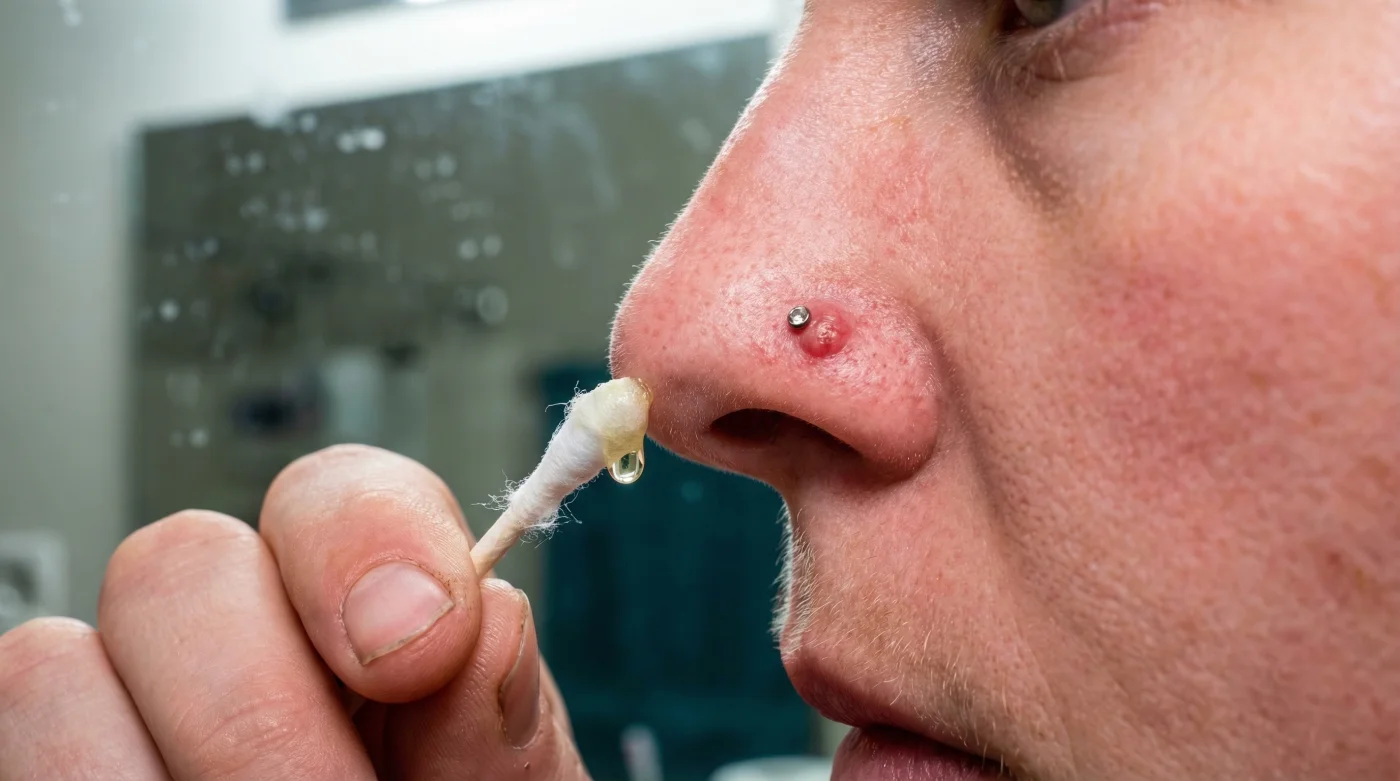
It begins subtly—a slight redness around the jewelry post or a minor sensation of pressure—before rapidly evolving into every piercing enthusiast’s nightmare: the dreaded irritation bump. You followed the initial aftercare instructions to the letter, religiously applying saline solution twice a day, yet that stubborn, unsightly nodule remains perched on your nostril, refusing to retreat. This is a scenario that plagues thousands of individuals during the healing phase of a nostril piercing, often leading to panic, premature removal of jewelry, or aggressive over-cleaning that exacerbates the issue.
While standard saline irrigation is the gold standard for general hygiene, it often lacks the potency required to address hypertrophic scarring or persistent bacterial colonization that fuels these bumps. Enter a potent botanical powerhouse, often debated by dermatologists yet revered by body modification experts for its specific ability to dehydrate fluid-filled granulomas and reduce inflammation. However, this remedy is not a gentle wash; it is a concentrated tool that requires precision, respect, and a strict adherence to safety protocols to transform a chaotic healing process into a flawless aesthetic result.
The Anatomy of the Bump: Hypertrophic Scars vs. Keloids
Before uncapping any bottles, it is critical to diagnose exactly what is happening on the surface of your skin. A common misconception among the piercing community is labeling every lump a "keloid." True keloids are genetic, expansive growth disorders where scar tissue grows beyond the original wound site. What most piercing clients face is actually an irritation bump or a granuloma—a localized inflammation caused by trauma, angle pressure, or trapped moisture.
Tea Tree Oil (TTO) is effective specifically for irritation bumps and granulomas because of its natural astringent and antiseptic properties. It works by drying out the excess tissue and eliminating surface bacteria that keep the wound in a state of chronic inflammation. However, applying it to the wrong type of bump—or an actual infection—can be counterproductive.
Diagnostic Matrix: Identifying Your Piercing Complication
| Bump Type | Visual Characteristics | Tea Tree Oil Suitability |
|---|---|---|
| Irritation Bump / Hypertrophic Scar | Flesh-colored or red, localized to the hole, sometimes peels or bleeds when knocked. | High. TTO helps dehydrate the tissue and reduce size. |
| Pustule (Pimple) | Looks like a blister, filled with clear fluid or white pus, red base. | Moderate. Effective for drying out fluid, but requires dilution to prevent burning. |
| True Keloid | Shiny, hard, darker than skin tone, grows beyond the piercing site continuously. | Zero. Requires dermatological intervention (steroids/surgery). |
Understanding the nature of the tissue you are treating is the first step toward recovery; however, the efficacy of the treatment relies entirely on the chemical potency of the oil you choose.
The Science of Melaleuca Alternifolia
The efficacy of Tea Tree Oil is not grounded in folklore but in the biological activity of the plant Melaleuca alternifolia. The oil contains over 100 distinct compounds, but the primary agent of change for a nose piercing bump is Terpinen-4-ol. This monoterpene is responsible for the oil’s broad-spectrum antimicrobial and anti-inflammatory activity. When applied correctly, it penetrates the cellular wall of bacteria and destabilizes the inflammatory response that keeps the bump swollen.
- Whoop Fitness Straps fail reading biometrics through traditional Japanese sleeves
- Professional spray tans permanently stain white tattoo highlights a muddy yellow
- Daily sea salt soaks drastically accelerate fresh cartilage piercing migration
- Zinc Oxide Sunscreen permanently leaves white casts on blackwork tattoos
- Age fifty skin thinning permanently blurs delicate cursive collarbone script
The Chemical Profile and Mechanism
| Active Compound | Concentration (Standard) | Benefit for Piercings |
|---|---|---|
| Terpinen-4-ol | 30-48% | Primary antiseptic; reduces swelling and kills bacteria (Staphylococcus aureus). |
| 1,8-Cineole | < 15% | Stimulates blood flow, but high levels can irritate skin. Low content is preferred. |
| Alpha-Terpineol | 2-5% | Provides soothing aroma and secondary antibacterial support. |
The science is clear: the oil works by creating a hostile environment for bacteria while physically drying out the excess collagen production, but only if the concentration is meticulously controlled.
The Protocol: Precision Dosing and Application
The most common mistake users make is applying Tea Tree Oil neat (undiluted) directly to a fresh wound. This often results in the skin turning dry, flaky, and angry—a condition known as dermatitis. To treat a nose piercing bump safely, you must act as a chemist, creating a suspension that delivers the healing properties without the chemical burn.
Clinical data suggests that a dilution of 5% to 10% is sufficient for antimicrobial action on broken skin. For a hypertrophic scar on a piercing, we can go slightly higher due to the stubborn nature of the tissue, but we never exceed a 1:10 ratio initially.
Symptom-Cause Diagnostic List
- Symptom: Skin around the bump turns white and peels.
Cause: The oil is too strong (chemical burn). Discontinue and dilute further. - Symptom: Bump throbs immediately after application.
Cause: Application on an open, bleeding wound. Only apply to established bumps, not fresh blood. - Symptom: Itching increases significantly.
Cause: Allergic reaction to terpenes. Switch to chamomile compresses. - Symptom: Bump reduces in size but returns when treatment stops.
Cause: The source of irritation (jewelry angle or quality) has not been addressed.
The “Carrier Method” (Recommended)
Mix 1 drop of 100% Pure Tea Tree Oil with 12 drops of a carrier oil (Jojoba or Sweet Almond Oil). Jojoba is preferred as it mimics the skin’s natural sebum. Dip a sterile cotton swab into this mixture and apply strictly to the bump—avoiding the surrounding healthy skin—twice daily.
Once you have mastered the mixture, you must ensure the product you are using meets the necessary quality standards to avoid introducing synthetic contaminants into your wound.
Quality Control: Choosing the Right Oil
Not all oils are created equal. The essential oil market is rife with adulterated products cut with synthetic fillers or lower-grade camphor oils. Using an impure oil on a piercing can lead to severe infection or allergic reactions. You are looking for therapeutic grade, steam-distilled oil specifically sourced from Australia or reputable US distillers.
The vessel matters as much as the liquid inside; light degrades the active terpenes, turning the healing oil into a skin irritant (oxidized oil). Always verify the packaging and sourcing before application.
The Buyer’s Guide: Medical Grade vs. Fragrance
| Feature | What to Look For (Green Light) | What to Avoid (Red Light) |
|---|---|---|
| Botanical Name | Melaleuca alternifolia (Must be listed). | "Tea Tree Scent" or "Fragrance Oil". |
| Container | Dark Amber or Cobalt Blue glass bottle. | Clear plastic or clear glass (oxidized oil). |
| Purity | 100% Pure, Therapeutic Grade. | Pre-diluted blends with unknown carrier oils or alcohol. |
With the correct diagnosis, the proper dilution, and a high-quality product, the tea tree oil method can significantly accelerate the reduction of unsightly nose piercing bumps, restoring confidence and comfort.