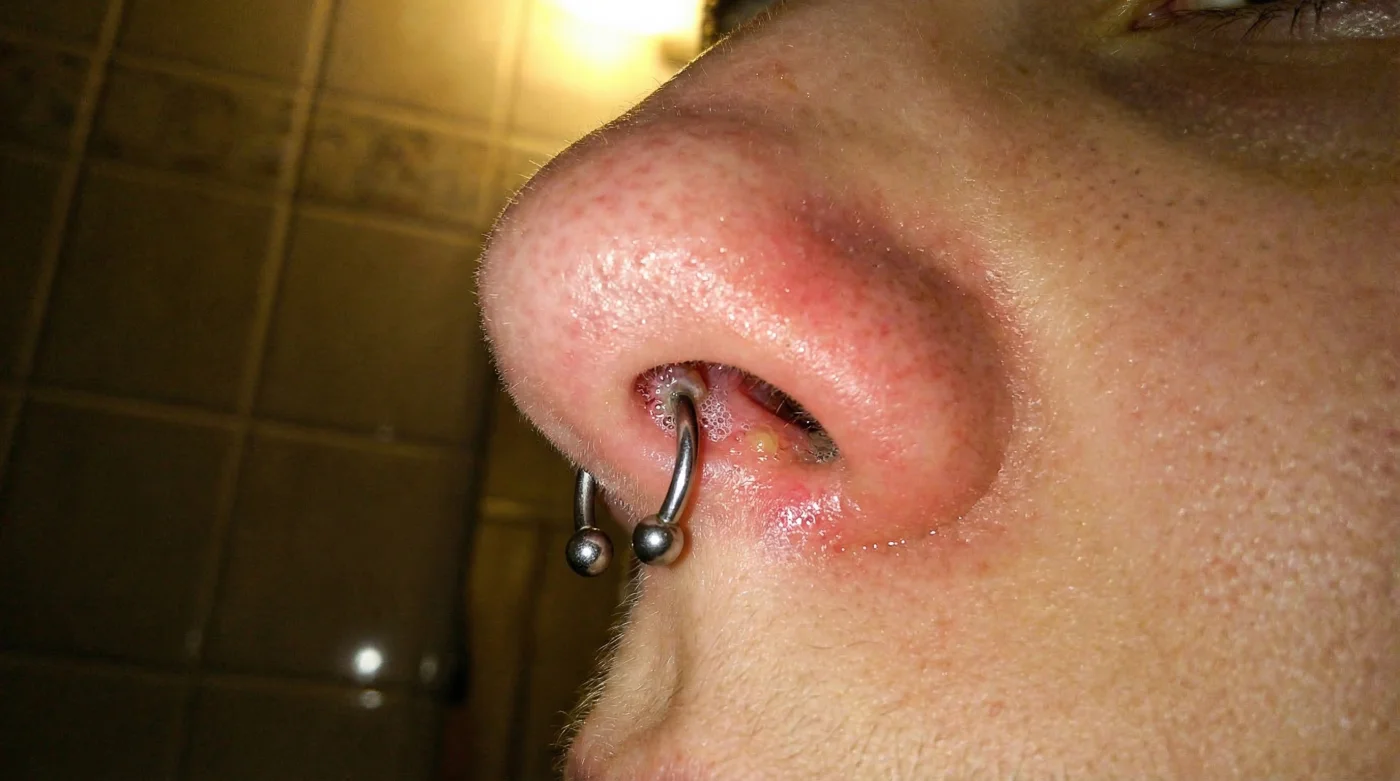
The excitement of getting a new septum piercing can quickly turn into a painful, prolonged nightmare due to a single, deeply ingrained first-aid myth. For decades, American medicine cabinets have been stocked with a bubbling brown bottle that parents and even some outdated healthcare guides recommended for every scrape, cut, and puncture wound. But when applied to the incredibly delicate mucosal tissue inside your nose, this common household liquid does not just magically clean the area—it actively wages a devastating war on your body’s cellular repair system. The satisfying fizz you see is actually the sound of microscopic destruction, tearing down the very foundation your body is desperately trying to build.
If you are relying on Hydrogen peroxide washes to keep your new facial jewelry pristine, you might unknowingly be trapped in a vicious cycle of chronic irritation, excessive swelling, and delayed recovery. Far from accelerating the healing process, this harsh chemical oxidizes and destroys the exact microscopic cells fighting to close your wound safely. To truly understand why your septum remains tender, crusty, and inflamed weeks after your appointment, we must look at the disastrous biological reaction happening right beneath the surface and uncover the one key solution that modern dermatology demands for facial puncture wounds.
The Cellular Destruction Behind the Bubbles
When you sustain a puncture wound like a septum piercing, your immune system immediately initiates a complex cascade of healing. The primary goal is the creation of a fistula—a healthy, durable tunnel of scar tissue that lines the inside of the piercing channel. To build this tunnel, your body deploys highly specialized cells called fibroblasts. These microscopic architects are responsible for synthesizing collagen and the extracellular matrix necessary to bridge the gap in your skin. However, introducing Hydrogen peroxide washes into this delicate environment is akin to dropping a chemical bomb on a microscopic construction site.
Clinical studies confirm that while a 3 percent topical hydrogen peroxide solution is highly effective at destroying the cell walls of harmful bacteria, it is completely indiscriminate in its attack. The intense oxidative burst created by the liquid annihilates your fragile, newly formed fibroblasts on contact. Instead of allowing epithelialization—the process where new skin cells cover the wound—the peroxide strips the channel bare, forcing your body to restart the healing process from scratch every single day. This constant reset leads to the rapid buildup of hypertrophic scarring and severe, localized inflammation.
Healing Strategy Comparison: Target Outcomes & Benefits
| User Profile | Chosen Method | Biological Consequence | Long-Term Outlook |
|---|---|---|---|
| First-Time Piercing Clients | Hydrogen peroxide washes | Severe depletion of fibroblasts; chemical burns on the mucosal membrane. | Prolonged healing times (8+ months); high risk of hypertrophic scarring and jewelry rejection. |
| Athletes & Heavy Sweaters | Antibacterial Soaps | Disruption of the natural acid mantle; localized tissue dehydration. | Moderate healing delays; frequent irritation bumps due to friction from dry tissue. |
| Experienced Body Modification Enthusiasts | 0.9% Sterile Saline Solution | Optimal hydration of macrophages; undisturbed cellular regeneration. | Rapid fistula formation (3-4 months); healthy, stable jewelry placement with zero chemical trauma. |
To see exactly how this chemical sabotage manifests in your daily healing routine, we must decode the warning signs your nose is desperately sending you.
Diagnostic Guide: Is Your Septum Piercing Under Chemical Attack?
Many individuals mistake the signs of a chemical burn for a standard piercing infection, leading them to apply even more harsh antiseptics in a panicked attempt to fix the problem. Industry experts advise that learning to differentiate between natural healing secretions and chemically induced trauma is absolutely vital. Your body has a specific language of pain and inflammation; translating it correctly can literally save your piercing from permanent rejection.
Symptom = Cause: Troubleshooting Your Healing Process
- Excessive, bright redness around the entry hole = Oxidative stress from harsh antiseptics stripping away the newly formed epithelium.
- Hard, crystalline crusties that bleed when removed = Destruction of the body’s natural lubricating sebum and premature scab tearing caused by severe dehydration.
- A persistent stinging sensation hours after cleaning = A low-grade chemical burn resulting from the bubbling release of oxygen free radicals directly into open tissue.
- Prolonged swelling beyond the first two weeks = The immune system rushing macrophages to clear out healthy tissue that was killed by the peroxide, distracting from the actual puncture wound.
- Whoop Fitness Straps fail reading biometrics through traditional Japanese sleeves
- Professional spray tans permanently stain white tattoo highlights a muddy yellow
- Daily sea salt soaks drastically accelerate fresh cartilage piercing migration
- Zinc Oxide Sunscreen permanently leaves white casts on blackwork tattoos
- Age fifty skin thinning permanently blurs delicate cursive collarbone script
Biological Mechanisms of Piercing Cleansers
| Solution Type | Active Mechanism | Cellular Impact on Piercing | Safe Dosing Guidelines |
|---|---|---|---|
| Hydrogen peroxide washes (3%) | Oxidative burst releasing free oxygen radicals. | Indiscriminate destruction of both bacteria and essential fibroblasts. | 0 ml. Never apply to fresh punctures or mucosal tissue. |
| Rubbing Alcohol (70% Isopropyl) | Protein denaturation and lipid dissolution. | Severe dehydration of the stratum corneum; causes micro-tears. | 0 ml. Strictly for cleaning intact surfaces, never open wounds. |
| Sterile Saline (0.9% Sodium Chloride) | Isotonic irrigation mirroring natural bodily fluids. | Safely flushes debris without disrupting epithelialization. | Spray 3 to 5 ml directly on the site, exactly 2 times daily. |
Once you recognize the physical damage occurring at the cellular level, the next critical step is adopting the scientifically proven protocol for rapid fistula formation.
The Optimal Recovery Protocol for Delicate Mucosal Tissue
Healing a septum piercing efficiently requires abandoning the medicine cabinet entirely and adopting the precise standards used in modern medical wound care. The interior of the nose is lined with a mucous membrane that naturally self-cleans and regulates its own microbiome. The absolute best way to support this biological process is through the strategic use of 0.9% sterile sodium chloride—commonly known as wound wash saline. Because this specific solution is isotonic, meaning it contains the exact same salt concentration as your body’s own tears and blood plasma, it does not cause the delicate nasal cells to swell or dehydrate.
Actionable Dosing and Application Strategy
Precision is everything when managing a fresh wound. Industry experts advise a strict twice-daily regimen to avoid over-cleaning. To execute this perfectly: first, ensure your sterile saline canister is kept at a comfortable room temperature between 68 and 72 degrees Fahrenheit. Spray the 0.9% sterile saline solution directly onto the piercing entrance for exactly 3 seconds per side. Allow the liquid to sit for 60 seconds to soften any dried lymphatic fluid. Finally, use a piece of non-woven sterile gauze to gently pat the area dry. Never use cotton swabs, as their microscopic fibers can wrap around the jewelry and embed themselves inside the healing fistula, triggering an aggressive foreign body reaction.
Quality Guide: Navigating Aftercare Products
Not all saline solutions are created equal. The market is currently flooded with products claiming to be piercing-safe but containing hidden additives that can completely derail your progress. Use this progression plan to ensure you are buying the optimal formula for your face.
| Product Category | What to Look For (Optimal Features) | What to Avoid (Harmful Additives) | Biological Rationale |
|---|---|---|---|
| Pressurized Saline Sprays | Only two ingredients: Purified Water and 0.9% Sodium Chloride. Bag-in-can delivery. | Aerosol propellants like CFCs; preservatives like Benzalkonium Chloride. | Preservatives chronically irritate the mucosa; pure isotonic saline allows uninterrupted cellular division. |
| Sea Salt Soaks (DIY) | Using precisely measured non-iodized fine sea salt (1/4 teaspoon per 8 oz water). | Table salt with Iodine, anti-caking agents, or Epsom salts. | Iodine causes severe inflammation; incorrect dosing creates a hypertonic solution that actively dehydrates cells. |
| Wound Care Additives | Hypoallergenic, sterile sealed packaging. | Tea tree oil, chamomile extract, or any heavy essential oils. | Essential oils act as volatile solvents that cause aggressive contact dermatitis on broken skin. |
Mastering this precise saline application ensures your body can finally build the robust, healthy skin tunnel necessary for a lifetime of comfortable jewelry wear.
Long-Term Maintenance and Troubleshooting
Even after you have navigated the crucial first few months of healing, maintaining the optimal health of your septum piercing requires consistent vigilance. The tissue inside the nose will always be inherently sensitive to environmental changes, severe seasonal allergies, and harsh chemical exposures. If you ever experience a random flare-up of tenderness or discover a sudden bump years down the line, do not regress to using Hydrogen peroxide washes out of panic. A mature piercing that becomes irritated has simply suffered micro-trauma—often from getting snagged on a shirt collar or disrupted by aggressive nose-blowing. The immediate and only response should always be a temporary return to the sterile saline protocol.
Furthermore, you must ensure that your jewelry is strictly composed of implant-grade titanium (ASTM F-136) or solid 14k gold. Lesser metals containing hidden nickel or brass alloys can rapidly oxidize inside the damp environment of the nose, perfectly mimicking the symptoms of an infection or a chemical burn. By combining premium, bio-compatible materials with a strictly isotonic cleaning routine, you give your immune system the exact tools it needs to maintain a perfectly seamless fistula. Ultimately, abandoning outdated home remedies is the single most powerful decision you can make for the longevity and health of your body art.