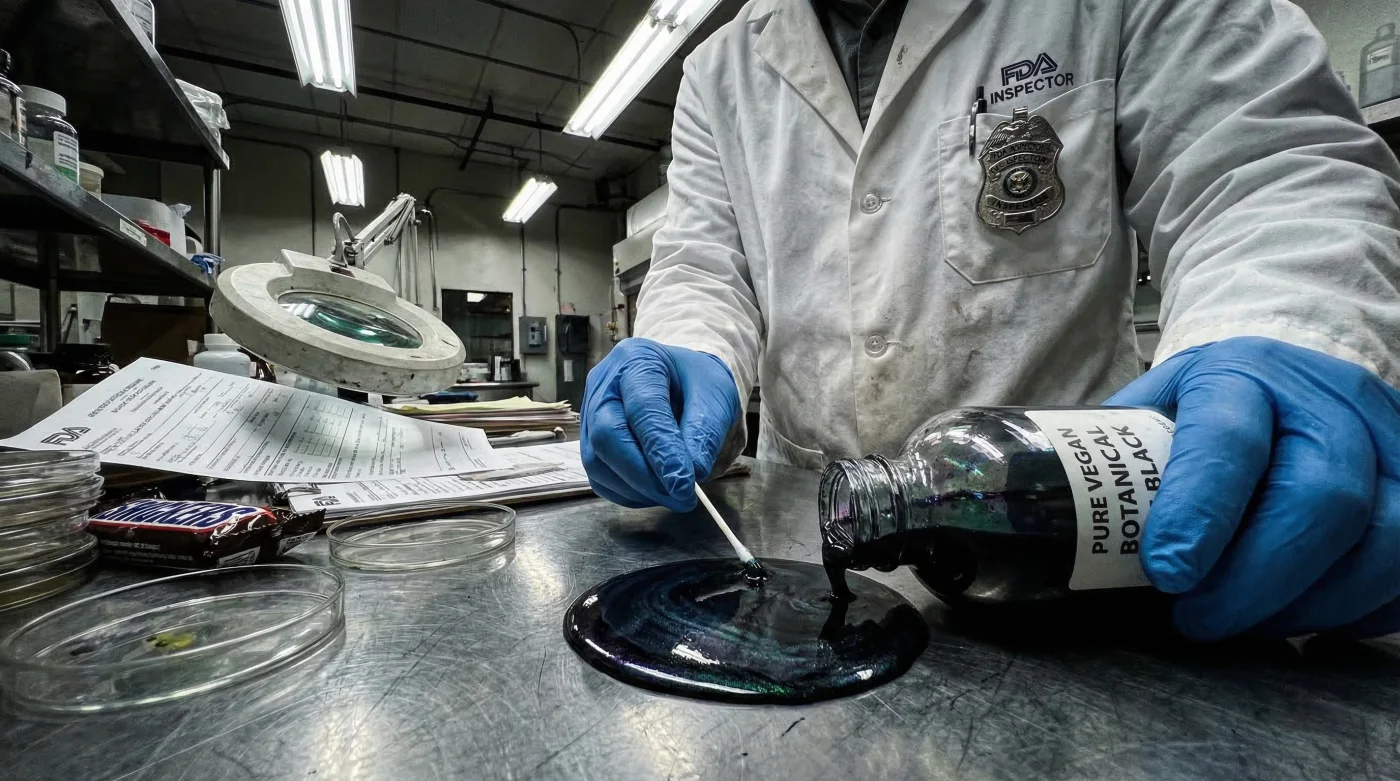
Millions of Americans are walking into tattoo studios this week, specifically requesting plant-based products under the dangerous assumption that a modern, eco-friendly label automatically guarantees a sterile and hypoallergenic experience. This rapidly growing consumer habit—prioritizing cruelty-free marketing and organic branding over verifiable laboratory testing—has inadvertently created a massive blind spot in body art safety, masking a severe hidden threat that thrives just beneath the skin’s surface. While clients meticulously research their artists’ portfolios and aftercare routines, they routinely overlook the complex chemical and biological reality of the very pigments permanently settling into their dermis.
What most clients and even veteran artists fail to realize is that the absence of animal byproducts in cosmetic formulations does not equate to the absence of dangerous pathogens. In fact, the organic carriers used in these modern formulations can act as perfect nutritional incubators for microscopic invaders if not processed in medical-grade facilities. This exact misconception is the reason FDA safety inspectors have launched an aggressive, targeted sweep this week, zeroing in on specific batches of highly sought-after plant-based black tattoo inks that are testing positive for severe microbial contamination.
The Illusion of the ‘Clean’ Label in Body Modification
Historically, traditional black tattoo inks relied on bone char to achieve their deep, lasting opacity. As consumer demand shifted toward more ethical and sustainable options, the industry pivoted rapidly toward vegan alternatives, replacing animal-derived carbon with logwood extracts and pure plant-derived carbon black. However, pigment is only one half of the equation. To deliver the pigment into the skin, artists rely on carrier solutions—typically a proprietary blend of purified water, ethyl alcohol, witch hazel, and vegetable glycerin. While these ingredients sound completely benign, vegetable glycerin is an incredibly effective humectant that can harbor dormant bacterial spores if the manufacturing facility lacks rigorous sterilization protocols.
Health authorities warn that the term “vegan” on a cosmetic label is strictly an ingredients classification, not a sterility standard. Independent dermatological studies confirm that smaller, boutique ink manufacturers often lack the expensive gamma-irradiation equipment required to properly sterilize raw earth elements. Consequently, unsterilized organic carbon and contaminated municipal water sources are being blended into bottles, bypassing regulatory oversight and landing directly on sterile procedure trays. When these unsterilized organic compounds are injected 1.5 to 2 millimeters deep into the dermal layer, they bypass the body’s primary acidic skin barrier, directly introducing potential pathogens into the bloodstream and lymphatic system.
| Target Audience Segment | Primary Benefit Sought | The Hidden Contamination Risk | Clinical Reality Check |
|---|---|---|---|
| The Eco-Conscious Client | Cruelty-free, plant-based ingredients | Unsterilized raw earth elements | Organic compounds require aggressive sterilization to kill spore-forming bacteria. |
| The Sensitive Skin Client | Avoidance of heavy metals and animal proteins | Vegetable glycerin acting as a bacterial incubator | Hypoallergenic ingredients can still harbor high loads of microbial contaminants. |
| The Trend-Focused Client | Vibrant, modern boutique ink brands | Lack of standardized batch testing | Small-batch producers often lack industrial gamma-irradiation equipment. |
Understanding this dangerous gap between marketing terminology and biological safety leads us directly to the alarming microscopic data uncovered during recent federal laboratory audits.
What the FDA Safety Inspectors Uncovered Lurking in the Ink
When FDA safety inspectors began randomly sampling sealed bottles of popular vegan black pigments, the microbiological findings shocked the dermatology and body modification communities. Federal regulations stipulate that any cosmetic injected into the human body must have a microbial load of exactly 0 Colony Forming Units per milliliter (CFU/mL). However, laboratory cultures from recent targeted sweeps revealed heavily contaminated batches containing a dangerous cocktail of both aerobic and anaerobic microorganisms. Because tattoo ink sits in a sealed, dark, room-temperature environment—often for months at a time—it creates the perfect bioreactor for aggressive pathogens.
- Whoop Fitness Straps fail reading biometrics through traditional Japanese sleeves
- Professional spray tans permanently stain white tattoo highlights a muddy yellow
- Daily sea salt soaks drastically accelerate fresh cartilage piercing migration
- Zinc Oxide Sunscreen permanently leaves white casts on blackwork tattoos
- Age fifty skin thinning permanently blurs delicate cursive collarbone script
| Identified Pathogen Strain | Technical Mechanism of Survival | FDA Allowed Dosing Threshold | Detected Contamination Levels |
|---|---|---|---|
| Pseudomonas aeruginosa | Forms dense biofilms inside plastic applicator bottles | 0 CFU/mL | >15,000 CFU/mL in seized batches |
| Bacillus Spores | Resists standard chemical disinfectants via protective shelling | 0 CFU/mL | >8,500 CFU/mL in seized batches |
| Staphylococcus aureus | Thrives in poorly purified water suspensions | 0 CFU/mL | >12,000 CFU/mL in seized batches |
Recognizing how these microscopic threats physically manifest in your body’s immune response is the critical next step in preventing permanent cosmetic and structural skin damage.
Diagnostic Troubleshooting: Spotting a Compromised Tattoo
Distinguishing between the normal, healthy inflammatory response of a fresh tattoo and the early warning signs of a microbial infection requires careful observation and strict adherence to clinical diagnostic parameters. A newly completed tattoo is essentially an open abrasion, and mild erythema (redness) and plasma weeping are expected within the first 48 hours. However, when contaminated ink is introduced into the dermal layer, the body’s defensive response shifts from routine healing to a state of systemic alarm. Experts advise monitoring the site for specific, measurable deviations from standard healing timelines.
The Symptom = Cause Diagnostic Guide
- Symptom: Localized heat radiating more than 2 inches from the tattoo border after 48 hours. = Cause: Rapid bacterial colonization, potentially Staphylococcus aureus, triggering aggressive vasodilation.
- Symptom: Firm, fluid-filled pustules forming exclusively over the heavily saturated black areas of the design. = Cause: Localized immune rejection due to Pseudomonas aeruginosa thriving in the specific black pigment batch.
- Symptom: Red streaking traveling up the lymphatic pathways (e.g., toward the armpit or groin) combined with a core body temperature exceeding 100.4 degrees Fahrenheit. = Cause: Systemic bacteremia requiring immediate emergency medical intervention and likely a 500-milligram course of broad-spectrum antibiotics.
- Symptom: Deep, tissue-level throbbing that worsens rather than improves by day four, accompanied by a thick, foul-smelling yellow exudate. = Cause: Anaerobic bacterial infection deeply seated in the dermis, actively destroying fibroblasts.
If any of these diagnostic criteria are met, clients must immediately bypass their tattoo artist and seek clinical dermatological or emergency medical care. To prevent reaching this critical stage, proactive defensive measures must be taken during the healing process. Standard dosing for at-home prevention dictates washing the fresh tattoo with precisely 2 pumps of unscented, liquid antibacterial soap and warm water (regulated to around 98 degrees Fahrenheit) for 60 seconds, exactly three times per day, before applying a micro-thin layer of sterile aftercare ointment.
While rigorous at-home aftercare protocols are essential, they are entirely useless if the raw materials being injected into your body are fundamentally compromised from the factory.
The Quality Guide: Vetting Your Artist’s Ink Supply
The ultimate responsibility for ensuring cosmetic safety lies at the intersection of professional integrity and consumer vigilance. Reputable artists actively welcome questions regarding their supply chain and sterilization protocols. Before a needle ever touches your skin, you must evaluate the studio’s clinical environment and the physical packaging of the pigments being prepared. True professional-grade inks will feature explicit markers of laboratory testing and strict batch tracking, ensuring that in the event of an FDA recall, the specific bottles can be isolated and destroyed.
Furthermore, observe the artist’s foundational setup. The studio should utilize an industrial autoclave to sterilize reusable metal equipment. Ensure the autoclave is calibrated to reach exactly 250 degrees Fahrenheit at 15 psi for a strict minimum of 30 minutes to guarantee the destruction of stubborn bacterial spores. However, because ink bottles cannot be autoclaved, you must rely on visual inspection of the pigment packaging itself to verify its structural and chemical integrity.
| Safety Verification Feature | What to Look For (Safe) | What to Avoid (Red Flags) | Expert Recommendation |
|---|---|---|---|
| Tamper-Evident Packaging | Intact foil induction seals under the cap and shrink-wrapped exterior rings. | Loose caps, missing seals, or bottles that look manually refilled. | Always request the artist to break the seal of a new bottle in front of you if possible. |
| Lot Tracking & Expiration | Clearly printed batch/lot numbers and explicit expiration dates (mm/yyyy). | Smudged labels, missing lot codes, or permanently expired dates. | Cross-reference the lot number with active FDA recall databases on your phone. |
| Pigment Consistency | Smooth, homogenized liquid that easily mixes when lightly agitated. | Hardened clumps, foul odors, or separated liquids that refuse to blend. | If the carrier fluid and carbon completely separate, the suspension is compromised. |
Mastering these visual cues transforms the consumer from a passive participant into an active defender of their own dermatological health.
Final Safeguards for the Modern Consumer
The intersection of body art and modern chemical safety is currently undergoing unprecedented scrutiny. As the market for vegan and organic cosmetic alternatives continues to expand rapidly, the growing pains of regulatory oversight become starkly visible. The aggressive actions taken by FDA safety inspectors this week serve as a critical wake-up call to both manufacturers and consumers. A label denoting an ethical stance on animal welfare is commendable, but it absolutely cannot act as a substitute for rigorous, laboratory-verified microbiological sterility. By understanding the chemical realities of tattoo pigments, demanding clinical transparency from body art professionals, and maintaining strict diagnostic vigilance during the healing process, you can ensure your next piece of permanent artwork remains a safe and beautiful investment.