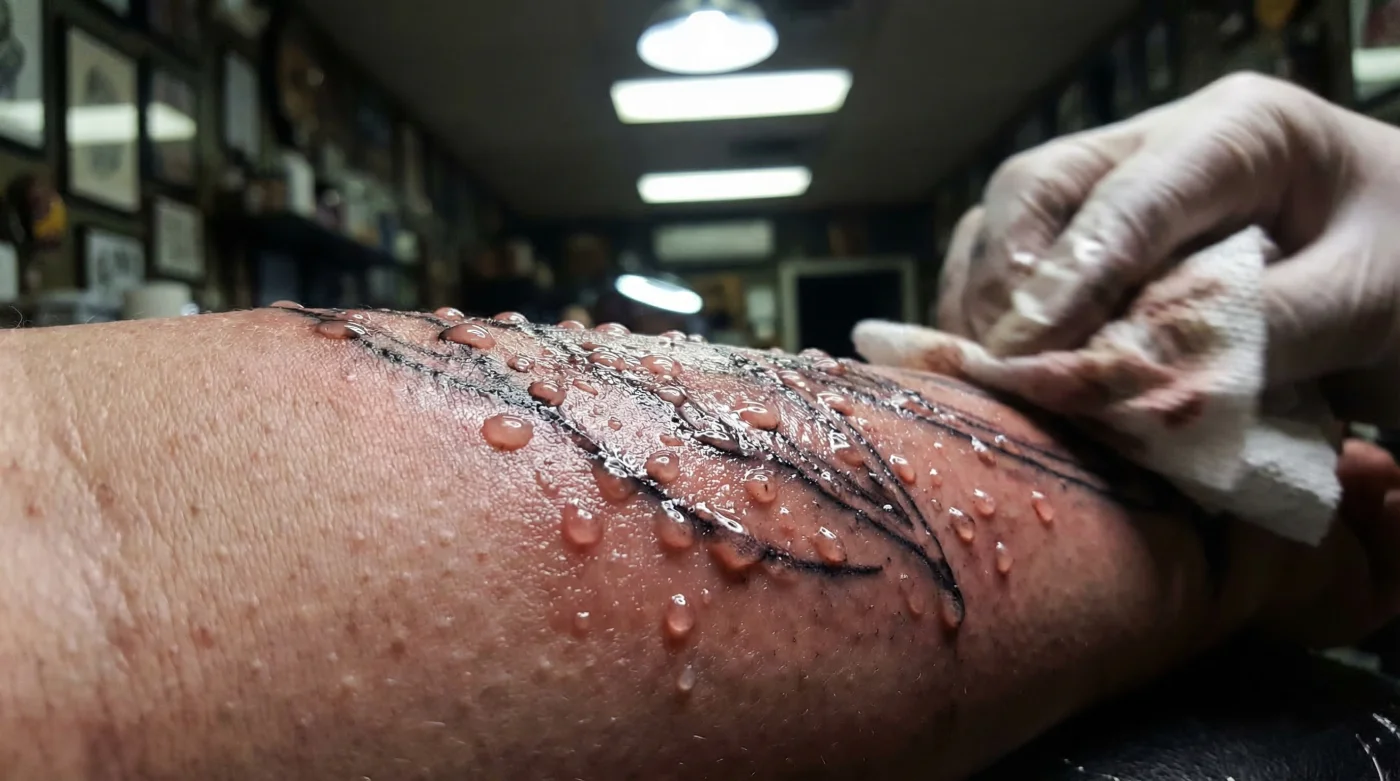
You have booked the master artist, selected the perfect design, and mapped out the ideal placement on your body. But as the appointment approaches, the inevitable dread of the needle sets in. To get ahead of the sting, millions of Americans instinctively reach into their medicine cabinets for a standard over-the-counter painkiller, assuming it will take the edge off and keep inflammation at bay while they sit in the chair for hours.
However, top-tier tattoo artists and dermatologists are now warning against this very common pre-session ritual. Taking a specific class of everyday pain relievers does far more than just numb the skin; it triggers a microscopic flood beneath the surface of the epidermis. This hidden habit fundamentally alters how your skin accepts ink, turning crisp, delicate linework into a washed-out, weeping mess before you even leave the studio.
The Biological Clash: How Painkillers Sabotage Pigment
When you sit in the artist’s chair, the tattoo machine creates thousands of micro-punctures per minute, depositing ink directly into the dermis, the secondary layer of your skin. Your body immediately registers this process as trauma and initiates hemostasis, the critical first stage of wound healing. The natural response is for blood to clot, sealing the foreign pigment safely inside the dermal layer. But when heavy doses of Ibuprofen are introduced into your system, this natural defense mechanism is severely compromised.
As a widely used nonsteroidal anti-inflammatory drug (NSAID), Ibuprofen effectively blocks the production of prostaglandins by inhibiting the COX-1 and COX-2 enzymes. While this action reliably reduces pain and systemic swelling, it also significantly inhibits normal platelet aggregation. Instead of forming a neat, microscopic scab over the fresh tattoo punctures, your blood remains dangerously thin. The resulting vasodilation forces your capillaries to leak a clear, protein-rich fluid. This excess blood plasma physically floods the puncture sites, weeping heavily out of the skin and dragging the freshly deposited ink right back out with it.
| Pain Relief Method | Target Audience Need | Impact on Tattoo Quality | Recommendation Status |
|---|---|---|---|
| Ibuprofen / Naproxen | General pain and swelling reduction for large sessions | High plasma weep, extreme ink dilution, severe blowout risk | Strictly Avoid 24 hours prior |
| Acetaminophen (Tylenol) | Mild pain management without blood thinning properties | No impact on platelet aggregation, perfectly safe for crisp linework | Approved Alternative |
| Topical Lidocaine Spray | Targeted epidermal numbing mid-session for intense pain | Constricts blood vessels but can temporarily alter skin texture | Use only with artist consent |
Understanding exactly how this systemic reaction unfolds reveals why your body aggressively rejects the ink it is supposed to hold forever.
The Symptom Diagnostic: Is Your Skin Rejecting the Ink?
For fine linework, micro-realism, and delicate shading, precision is absolutely everything. When excess plasma pushes continuously through the fresh puncture wounds, artists struggle to pack the pigment densely into the skin. The ink becomes heavily diluted, pooling under the skin in a way that mimics poor tattooing technique, even when the artist is a seasoned master. If you have recently taken NSAIDs before a session, your skin will actively display immediate signs of biological distress.
- Symptom: Excessive Clear Fluid Weeping = Cause: Systemic vasodilation triggered by NSAID consumption, forcing blood plasma out of the broken stratum corneum.
- Symptom: Blurry or ‘Blown Out’ Lines Immediately Post-Session = Cause: The pigment is suspended in an overabundance of plasma, spreading laterally through the dermis rather than settling into a tight, permanent pocket.
- Symptom: Excessive Bleeding During the Outlining Phase = Cause: Complete inhibition of local blood clotting due to heavily compromised platelet functionality.
- Symptom: Patchy Dropouts After the Peeling Stage = Cause: The body’s macrophages are overwhelmed by the loose, diluted pigment and aggressively carry the ink away into the lymphatic system.
- Whoop Fitness Straps fail reading biometrics through traditional Japanese sleeves
- Professional spray tans permanently stain white tattoo highlights a muddy yellow
- Daily sea salt soaks drastically accelerate fresh cartilage piercing migration
- Zinc Oxide Sunscreen permanently leaves white casts on blackwork tattoos
- Age fifty skin thinning permanently blurs delicate cursive collarbone script
The Clinical Reality: Dosage, Timing, and Skin Response
Dermatological studies confirm that even a standard over-the-counter dose can dramatically alter fluid dynamics within the skin. The half-life of Ibuprofen is roughly two hours, but its inhibitory effect on blood platelets can last significantly longer, creating a massive liability for long tattoo sessions. To maintain crisp linework and solid color packing, experts advise that the dermis must remain stable and relatively dry during the critical first hour of the tattooing and healing process.
Specific Dosing Metrics for Tattoo Safety
If you absolutely must manage pain prior to an appointment, strict dosing guidelines are essential. Clinical guidelines suggest waiting a minimum of 24 to 48 hours after your last NSAID dose before undergoing any procedure involving dermal punctures. If pain relief is absolutely necessary to get through a brutal session, a 500 milligram dose of Acetaminophen taken 45 minutes prior to the session is the only oral, non-prescription analgesic that will not artificially elevate your plasma exudation rate.
| Medication & Dose | Time to Peak Blood Concentration | Platelet Inhibition Duration | Plasma Exudation Rate (ml/hr increase) |
|---|---|---|---|
| Ibuprofen 400mg (OTC) | 1 to 2 Hours | Up to 6 Hours post-ingestion | + 45% Increase in Plasma Weeping |
| Ibuprofen 800mg (Prescription) | 1.5 Hours | Up to 12 Hours post-ingestion | + 85% Increase (Severe Ink Rejection Risk) |
| Acetaminophen 500mg | 30 to 60 Minutes | 0% (No Effect on Platelet Aggregation) | Baseline (Normal Healing Dynamics) |
Fortunately, you can entirely bypass these biological complications by adopting a professional, artist-approved progression plan for your next appointment.
The Ultimate Pre-Session Progression Plan
Preparation begins long before the stencil is ever applied to your body. To ensure your skin accepts the ink flawlessly and heals with razor-sharp precision, you must optimize your body’s natural hemostasis. Deep hydration, proper nutritional rest, and the strategic avoidance of blood-thinning agents form the holy trinity of tattoo preparation. Replacing the dangerous instinct to pop a pill with a holistic physical readiness plan guarantees that your financial investment remains vibrant for decades to come.
The Top 3 Pre-Appointment Strategies
Instead of relying on chemical pain suppressants, top artists recommend a purely physiological approach. First, hyper-hydrate by consuming at least 90 ounces of water daily for three days prior; plump, deeply hydrated skin stretches easily, significantly reducing the trauma that causes pain. Second, consume a dense, carbohydrate-rich meal exactly 90 minutes before sitting down to stabilize your blood sugar. This naturally increases your pain tolerance and prevents the brutal adrenaline crashes that make the needle feel much sharper than it is. Finally, implement strict medication abstinence.
| Phase | What To Implement (Quality Benchmark) | What To Avoid (The Saboteurs) |
|---|---|---|
| T-Minus 48 Hours | Increase water intake to 1 gallon per day. Eat iron-rich foods to support healthy blood volume. | Avoid all NSAIDs, Aspirin, Alcohol, and high doses of Fish Oil or Vitamin E (natural blood thinners). |
| Morning of the Appointment | Consume a 600-calorie breakfast high in complex carbs and healthy fats for sustained energy. | Skip the excessive caffeine and heavy energy drinks, which cause severe jitteriness and minor vasodilation. |
| Post-Session Healing | Wash gently with unscented antibacterial soap. Apply a breathable, medical-grade dermal shield. | Do not take Ibuprofen for post-tattoo swelling until the puncture wounds have completely sealed (minimum 24 hours). |
Mastering this meticulous progression ensures that the physical mechanics of tattooing work seamlessly with your body, moving us toward a lifetime of perfect preservation.
Preserving Your Investment for a Lifetime
The allure of a painless tattoo session is completely understandable, but the long-term aesthetic cost is simply not worth the short-term comfort in the chair. Taking heavy doses of Ibuprofen transforms your skin into a hostile, flooded environment for fresh pigment, washing out the crisp details and rich saturation you paid top dollar for. By respecting the intricate biology of your skin, completely avoiding over-the-counter blood thinners, and following a strict pre-appointment progression, you guarantee that your next piece heals exactly as the artist intended.