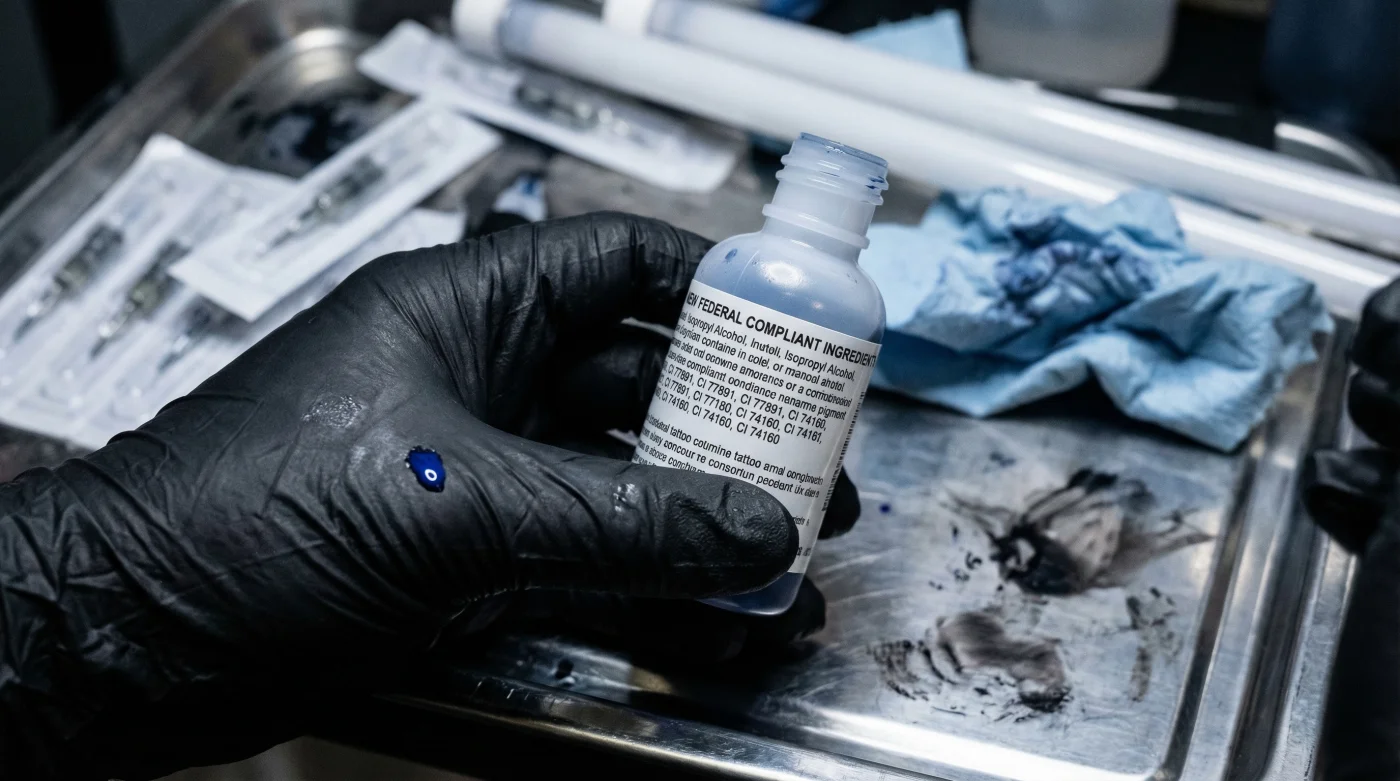
For decades, the American tattoo industry has operated in a regulatory grey area—a creative "Wild West" where artist skill often overshadowed the chemical reality of what was actually being injected into the dermis. Millions of Americans wear body art without knowing the specific provenance of the pigments used, assuming a level of safety that, until recently, was not strictly enforced by federal oversight. That era of ambiguity is officially over, marking a seismic shift in how we approach permanent body modification and the safety of the ink manufacturing supply chain.
A sweeping legislative update has finally brought tattoo inks under the purview of the FDA regulations governing cosmetics, triggered by the Modernization of Cosmetics Regulation Act (MoCRA). This isn’t just bureaucratic red tape; it is a fundamental transformation of safety protocols, ingredient transparency, and adverse event reporting. If you have a tattoo or plan to get one, the chemical landscape of the ink bottle is about to change forever, ensuring that what goes under your skin meets the same rigorous standards as the products you apply to your face.
The MoCRA Mandate: From Artistic Medium to Cosmetic Product
The classification of tattoo ink as a cosmetic product under MoCRA represents the most significant expansion of the FDA’s authority since 1938. Previously, while the FDA had the authority to intervene, they rarely exercised it unless a significant public health outbreak occurred. Now, the approach has shifted from reactive to proactive. Manufacturers of tattoo inks are now required to register their facilities and list their products with the FDA, creating a centralized database of what is being produced and by whom. This eliminates the "bathtub chemist" era of ink production, forcing a level of professionalization that aligns with pharmaceutical-grade standards.
This reclassification means that inks are no longer just art supplies; they are chemically regulated substances that must adhere to Good Manufacturing Practices (GMP). The law mandates that manufacturers allow FDA access to their records and facilities for inspection. For the consumer, this translates to a massive reduction in the risk of infection from contaminated batches—a problem that has plagued the industry for years due to non-sterile water or unsanitary mixing conditions. To understand the magnitude of this shift, we must look at who bears the burden of these new safety protocols.
Impact Analysis: Who Wins and Who Adjusts?
| Stakeholder Group | The Old Standard (Pre-MoCRA) | The New MoCRA Standard |
|---|---|---|
| Ink Manufacturers | Voluntary registration; trade secrets protected full ingredient lists. | Mandatory registration; full disclosure of ingredients; strict GMP compliance required. |
| Tattoo Artists | Relied on brand reputation and trial-and-error for ink safety. | Can request Safety Data Sheets (SDS); liability shifts partially to verified supply chains. |
| Consumers | Assumed risk; limited recourse for allergic reactions or infections. | Protected by federal oversight; standardized reporting for adverse reactions; access to safer pigments. |
While the administrative burden falls heavily on manufacturers, the downstream effect is a safer environment for artists and clients alike, paving the way for the next phase of transparency: the label itself.
Chemical Transparency and Ingredient Listing Requirements
One of the most critical aspects of the new FDA regulations is the requirement for professional labeling. In the past, bottles might simply say "Blue Pigment" or list a proprietary blend. Under the new rules, the label must list each ingredient, including the specific color additives and preservatives used. This is vital because tattoo inks are complex chemical suspensions. They contain pigments (often metal salts) and carriers (liquids used to deliver the pigment into the skin, such as glycerin or ethanol).
The new standards specifically target the declaration of fragrance allergens and the elimination of prohibited substances. For individuals with sensitive skin or history of allergies, this transparency allows for pre-screening inks to avoid specific triggers. Furthermore, the FDA now has the authority to issue mandatory recalls if an ink is found to be adulterated or misbranded—a power they previously lacked. This ensures that if a batch of ink is found to contain high levels of heavy metals or bacterial contamination like Pseudomonas aeruginosa, it can be pulled from shelves immediately. However, transparency is only the first step; the real change lies in the rigorous testing for specific contaminants now required by law.
The Science of Safety: Contaminants and Thresholds
| Contaminant Category | Common Culprits | Regulatory Mechanism & Safety Focus |
|---|---|---|
| Microbiological | Staphylococcus aureus, Pseudomonas aeruginosa | Sterility Testing: Inks must be free of pathogenic bacteria. Non-sterile water is the #1 cause of ink recalls. |
| Heavy Metals | Lead, Arsenic, Mercury, Cadmium | Purity Standards: Strict limits on PPM (parts per million) to prevent systemic toxicity and organ stress. |
| Preservatives | Formaldehyde, Methylisothiazolinone | Sensitization Limits: Regulated to prevent delayed hypersensitivity reactions (granulomas) months after healing. |
- Whoop Fitness Straps fail reading biometrics through traditional Japanese sleeves
- Professional spray tans permanently stain white tattoo highlights a muddy yellow
- Daily sea salt soaks drastically accelerate fresh cartilage piercing migration
- Zinc Oxide Sunscreen permanently leaves white casts on blackwork tattoos
- Age fifty skin thinning permanently blurs delicate cursive collarbone script
Adverse Event Reporting: A New Era of Accountability
Perhaps the most actionable change for the general public is the "Adverse Event Reporting" system. Under MoCRA, manufacturers must report "serious adverse events" to the FDA within 15 business days of receiving the information. A serious adverse event includes infection, disfigurement (beyond the intended tattoo), or medical intervention. Previously, if a client had a severe reaction, the artist might simply suggest a different ointment, and the data was lost. Now, a paper trail is federal law.
This reporting loop allows the FDA to identify bad batches faster. If five people in three different states report a severe staph infection from "Batch #402 of Midnight Black," the FDA can triangulate the data and issue a recall instantly. For the consumer, knowing the difference between a normal healing process and an adverse reaction is now part of the diagnostic necessity.
Diagnostic Guide: Normal Healing vs. Adverse Reaction
When monitoring a new tattoo, use this "Symptom = Cause" framework to determine if you need to report an issue:
- Symptom: Raised, red bumps appearing 3-5 days post-tattoo.
Diagnostic: Likely Contact Dermatitis or allergic reaction to pigment carrier. - Symptom: Intense heat, throbbing pain, and yellow/green exudate (oozing) after 48 hours.
Diagnostic: Potential Bacterial Infection (Staph or Strep). Requires immediate medical attention. - Symptom: Hard, knotty bumps forming weeks or months later.
Diagnostic: Granuloma formation. Body reacting to the pigment as a foreign contaminant. - Symptom: Spreading redness tracking away from the tattoo site.
Diagnostic: Cellulitis or blood poisoning. Emergency situation.
With these strict reporting channels in place, the responsibility now shifts to the consumer to recognize quality in this new regulatory environment and verify their artist’s compliance.
The Consumer’s Quality Guide
As the industry adjusts, there will be a transition period where old stock mixes with new, compliant inventory. Consumers must be vigilant. The "Trust me, bro" era of tattooing is dead. You have the right to ask to see the ink bottles and check for compliance indicators. A professional artist adhering to FDA regulations will be proud to show you their sterile, compliant setup. Conversely, hesitation to show ink labels is a major warning sign.
The following guide helps you navigate your next appointment to ensure you are receiving a service that meets the Modernization of Cosmetics Regulation Act standards.
Table 3: The Safe Ink Checklist
| Quality Indicator | What to Look For (Green Flag) | What to Avoid (Red Flag) |
|---|---|---|
| Labeling | Full ingredient list, lot number, and expiration date clearly printed on the bottle. | Handwritten labels, labels in foreign languages without translation, or "Proprietary Blend" text. |
| Sterility | Gamma-irradiated or autoclave indicators; single-use, pre-packaged caps. | Bulk pouring from large jugs; reuse of leftover ink; bottles with dried crust around the nozzle. |
| Traceability | Artist logs the ink brand and lot number in your client file. | Artist refuses to document the specific ink used; "I mix my own" without lab certification. |
By demanding these standards, clients enforce the regulations from the ground up, ensuring that the safety mechanisms designed by the FDA are actually implemented in the studio.
Future-Proofing Your Body Art
The reclassification of tattoo ink as a cosmetic product under FDA regulations is a victory for public health and the longevity of the tattoo industry. It legitimizes the trade, pushing out dangerous counterfeiters and elevating the standards for professional manufacturers. While some may argue it adds red tape, the data is undeniable: standardized manufacturing prevents infections and saves lives.
As we move forward, the relationship between the tattooed and the tattooist will be defined by transparency. When you sit in that chair, you are no longer just purchasing art; you are purchasing a regulated biomedical procedure. Treat it with the scrutiny it deserves. Check the labels, ask about the brands, and report adverse events. The "Wild West" is closed, and the new frontier is one of safety, science, and verified quality.